Table of Contents
- Key Takeaways
- AI Video Editing: A Game Changer
- Insights from Nikita Bier
- The Future of Video Editing
- Frequently Asked Questions (FAQ)
- Conclusion
- Sources
Key Takeaways
- AI video editing is revolutionizing production workflows, making editing faster and more accessible.
- Nikita Bier demonstrates the potential of AI in video editing by building a video editor in just 15 minutes.
- Future advancements in AI video editing will enhance automation, collaboration, and personalized content creation.
AI Video Editing: A Game Changer
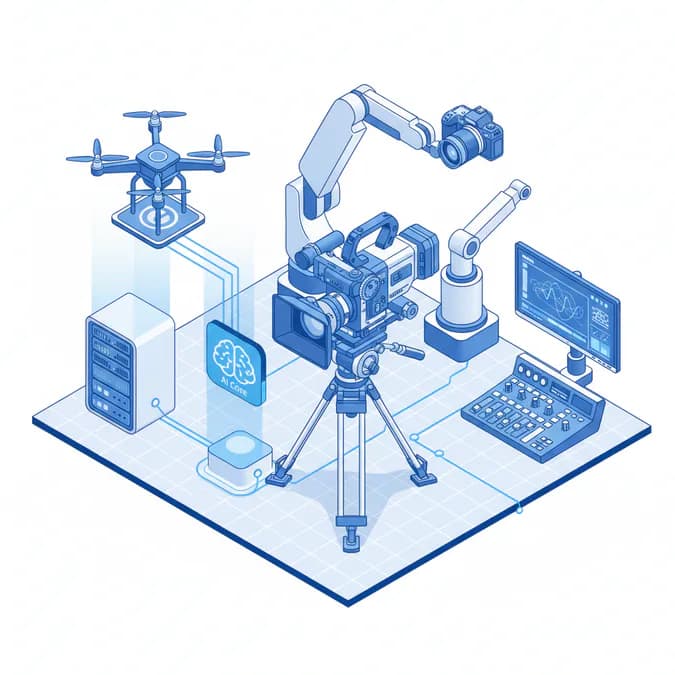
The advent of AI video editing signifies a monumental shift in production workflows. Traditionally, video editing is a labor-intensive process that can take weeks or even months to finalize. However, with AI-driven tools, the time required for editing can be drastically reduced. AI algorithms can analyze footage, suggest edits, and even automate repetitive tasks, allowing creators to focus on the creative aspects of their projects.
Insights from Nikita Bier
Nikita Bier's demonstration of building a video editor in just 15 minutes serves as a testament to the capabilities of AI technology. According to Bier, this rapid development not only compresses engineering time but also opens up new possibilities for creators who may not have extensive technical skills. "The future of video editing lies in making powerful tools accessible to everyone," Bier stated, emphasizing the democratization of content creation.
The Future of Video Editing
As AI continues to evolve, the implications for AI video editing are profound. Here are some potential advancements we can expect in the near future:
- Enhanced Automation: AI can automate tasks such as color correction, sound mixing, and even scene transitions.
- Intelligent Editing Suggestions: AI can analyze footage and suggest edits based on trends and viewer preferences.
- Real-time Collaboration: AI tools can facilitate real-time editing and feedback, making remote collaboration seamless.
- Personalized Content Creation: AI can help tailor content to specific audiences by analyzing viewer data.
These advancements will not only streamline the editing process but also enhance the overall quality of video content. As we look ahead, the integration of AI in video editing will likely lead to more innovative storytelling techniques and improved viewer engagement.
Frequently Asked Questions (FAQ)
Q1: What is AI video editing?
A1: AI video editing refers to the use of artificial intelligence technologies to automate and enhance various aspects of the video editing process, making it faster and more efficient.
Q2: How does AI improve video editing workflows?
A2: AI improves video editing workflows by automating repetitive tasks, providing intelligent editing suggestions, and enabling real-time collaboration among creators.
Q3: Can anyone use AI video editing tools?
A3: Yes, AI video editing tools are designed to be user-friendly, allowing individuals with varying levels of technical expertise to create high-quality videos.
Conclusion
The insights shared by Nikita Bier highlight a pivotal moment in the video technology landscape. As AI continues to make strides in AI video editing, creators will benefit from faster, more efficient workflows that allow them to focus on storytelling and creativity. The future of video editing is not just about speed; it’s about empowering creators to produce high-quality content with ease.