Understanding High-Resolution Video Cameras in 2026

High-resolution video production has evolved dramatically, and 2026 marks a pivotal year for 8K and 6K cameras in professional filmmaking. As filmmakers and content creators demand greater image quality and flexibility, manufacturers have responded with powerful tools that push the boundaries of what's possible in professional video capture. Understanding the landscape of high-resolution cameras is essential for anyone serious about modern video production.
The demand for 8K and 6K cameras stems from multiple factors. Production companies increasingly require higher resolution footage for theatrical releases, premium streaming platforms, and future-proofing their content libraries. Additionally, the ability to shoot at these resolutions provides editors and colorists with greater flexibility during post-production, allowing for reframing, stabilization, and creative adjustments without sacrificing image quality.
What Makes 8K and 6K Cameras Essential Today
High-resolution video cameras have transitioned from experimental technology to practical production tools. The shift reflects broader industry trends toward premium content creation and the need for footage that maintains quality across multiple distribution formats. When you're investing in 8K or 6K camera systems, you're not just buying resolution—you're acquiring creative flexibility
The Nikon Z9: A Powerhouse for High-Resolution Video
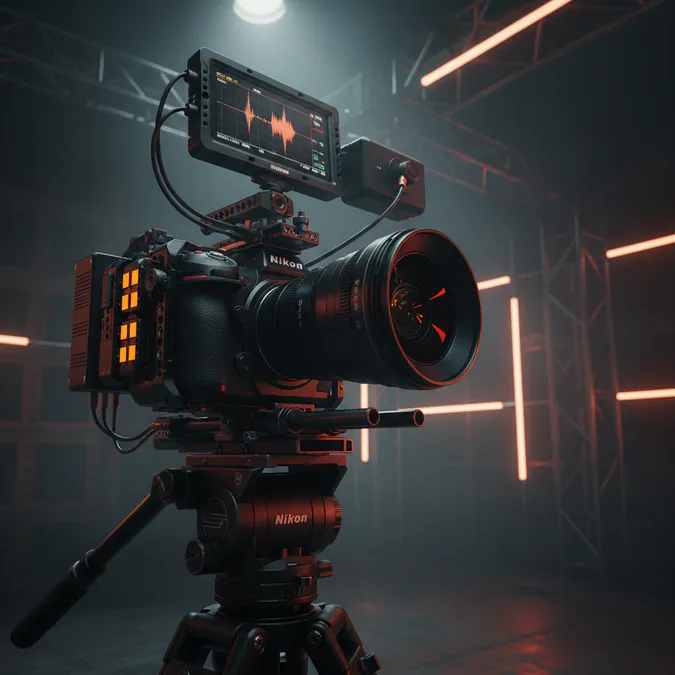
The Nikon Z9 stands out as a leading option for professionals seeking exceptional high-resolution capabilities. This mirrorless camera delivers internal 8K recording at 60 frames per second, along with 4K at 120fps, without crop limitations or recording time restrictions. These specifications represent a significant achievement in the mirrorless camera market, offering filmmakers unprecedented flexibility in their shooting workflows.
Key advantages of the Nikon Z9 include:
- Robust build quality designed for professional production environments
- Extensive lens ecosystem through the Z-mount system
- Advanced autofocus technology maintaining accuracy during 8K recording
- Unlimited recording duration at high resolutions
- Internal processing eliminating reliance on external recorders
The internal 8K/60p capability is particularly noteworthy. Rather than relying on external recorders, the Z9 handles all processing internally, reducing complexity on set and minimizing potential points of failure. This streamlined approach appeals to production teams that value reliability and efficiency.
Other Notable High-Resolution Cameras in 2026
While the Nikon Z9 represents exceptional performance, the 2026 camera market offers several compelling alternatives:
- Canon EOS R5C: Provides robust 8K capabilities with excellent color science and comprehensive RF-mount lens selection
- Sony FX30 and Cinema Line: Continue dominating the cinema camera space with proven track records and extensive professional support
- Red Digital Cinema: Komodo and Ranger models offer 8K and beyond with cinema-grade color science
- Blackmagic URSA Mini Pro 12K: Delivers exceptional value for productions seeking high resolution without premium pricing
Each platform brings distinct advantages depending on your specific production requirements, budget constraints, and existing equipment investments.
Key Specifications to Consider
When evaluating 8K and 6K cameras, several specifications deserve careful attention:
Frame Rate Capabilities
Frame rate capabilities at maximum resolution determine whether a camera suits your creative vision. The ability to record 8K at 60fps versus 24fps significantly impacts slow-motion possibilities and overall production flexibility.
Codec Selection
Some cameras offer multiple codec options, allowing you to balance file size, processing power requirements, and post-production flexibility. Higher bitrate codecs preserve more image information but demand faster storage solutions and more powerful editing systems.
Recording Media Compatibility
Cameras that support widely available, affordable storage media reduce operational costs compared to proprietary solutions. Additionally, the ability to record unlimited duration without file size limitations or thermal constraints proves invaluable during long takes or live event coverage.
Autofocus Performance
Maintaining sharp focus during 8K recording, particularly with moving subjects, requires sophisticated autofocus systems. Modern phase-detection and contrast-detection hybrid systems have improved dramatically, but performance varies between manufacturers and models.
Optical Performance and Lens Ecosystems
High-resolution sensors demand exceptional optical quality. Shooting 8K or 6K reveals lens imperfections that might be invisible at lower resolutions. This reality has driven lens manufacturers to develop premium optics specifically optimized for high-resolution capture. When selecting a camera system, evaluate the available lens ecosystem carefully.
Nikon's Z-mount system offers an expanding collection of native lenses designed for high-resolution work. Canon's RF-mount similarly provides cinema-grade optics. These native lens ecosystems ensure optimal optical performance and autofocus compatibility, though they typically command premium pricing compared to older mount systems.
Color Science and Post-Production Workflow
High-resolution capture only delivers value if the color science supports your creative vision. Different manufacturers approach color rendering distinctly:
- Canon is renowned for warm, flattering skin tones
- Sony excels in dynamic range and shadow detail
- Nikon's color science balances natural rendering with creative flexibility
The choice of color science influences your entire post-production workflow. Selecting a camera whose native color rendering aligns with your aesthetic preferences reduces grading time and produces more satisfying results. Additionally, consider whether the camera's log formats and color spaces integrate smoothly with your existing editing and color grading software.
Storage and Data Management Considerations
8K and 6K recording generates massive data volumes. A single hour of 8K/60p footage can consume 2-4 terabytes of storage, depending on codec and bitrate. This reality demands careful planning regarding storage infrastructure, backup systems, and data management protocols.
Investing in high-speed storage solutions becomes essential. CFast cards, SD UHS-II cards, and SSD solutions each offer different performance characteristics and cost profiles. Many professional productions employ redundant storage systems, recording simultaneously to multiple media to protect against data loss.
Network-attached storage (NAS) systems and cloud backup solutions have become standard in professional workflows. The cost of storage infrastructure represents a significant portion of the total investment in a high-resolution camera system, yet it's essential for protecting valuable footage and maintaining efficient post-production pipelines.
Budget Considerations and ROI
High-resolution camera systems represent substantial investments. Entry-level 8K-capable cameras start around $4,000-6,000, while professional cinema cameras exceed $30,000. Determining the right investment level requires honest assessment of your production volume, client expectations, and revenue potential.
For freelance videographers and smaller production companies, renting high-resolution equipment for specific projects often makes more financial sense than purchasing. This approach provides access to cutting-edge technology without the burden of ownership costs, maintenance, and rapid obsolescence.
Larger production companies with consistent high-resolution work justify equipment purchases through regular utilization and client premium pricing. The ability to deliver 8K or 6K footage commands higher rates and attracts premium clients, potentially justifying the investment through increased revenue.
Future-Proofing Your Investment
Technology evolves rapidly in the camera space. Selecting equipment with strong manufacturer support, active firmware development, and a thriving used equipment market helps protect your investment. Nikon's commitment to the Z-mount system, for example, suggests long-term viability and continued lens development.
Consider the longevity of your chosen platform. Cameras with established user bases benefit from extensive third-party accessory support, rental availability, and resale value. These factors matter significantly when planning equipment investments.
Practical Applications for High-Resolution Production
High-resolution cameras serve diverse production needs:
- Feature Film Production: Increasingly adopts 8K capture for theatrical releases and premium streaming platforms
- Commercial Production: Benefits from the flexibility to reframe and stabilize footage during post-production
- Documentary Filmmaking: Appreciates the ability to capture detail-rich footage that reveals nuance in subjects
- Broadcast and Streaming: Platforms continue expanding 4K and 8K content offerings
Key Takeaways
The 2026 high-resolution camera market offers unprecedented capability and choice. Whether you're considering the Nikon Z9's exceptional performance, exploring alternative platforms, or evaluating whether high-resolution capture aligns with your production needs, the decision requires careful consideration of your specific requirements, budget, and workflow preferences.
The transition to 8K and 6K production represents a significant evolution in video technology. These cameras deliver the image quality, creative flexibility, and future-proof assets that modern production demands. By understanding the capabilities, limitations, and practical considerations of high-resolution systems, you can make informed decisions that elevate your production quality and competitive positioning in an increasingly demanding market.
Frequently Asked Questions (FAQ)
What are the benefits of using 8K and 6K cameras?
8K and 6K cameras provide superior image quality, greater flexibility in post-production, and future-proofing for content distribution across various platforms.
How much should I expect to spend on an 8K or 6K camera?
Entry-level 8K cameras start around $4,000, while professional models can exceed $30,000. Renting may be a cost-effective option for smaller projects.
What should I look for in an 8K or 6K camera?
Key specifications to consider include frame rate capabilities, codec options, autofocus performance, and lens ecosystem compatibility.
Are 8K and 6K cameras worth the investment?
For professional filmmakers and content creators, the investment in 8K and 6K cameras can lead to higher quality productions and potentially increased revenue from premium clients.
For more information on high-resolution cameras, check out our camera reviews and video production tips.