Understanding 8K and 6K Resolution
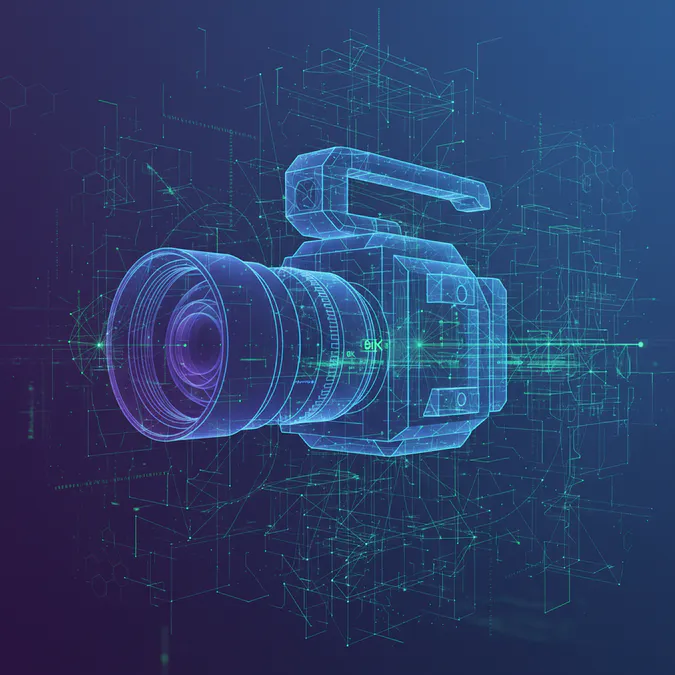
High-resolution video production has entered a transformative era. Shooting in 6K or 8K resolution represents a genuine leap forward in filmmaking capabilities, offering cinematographers and production teams unprecedented creative possibilities. While 8K remains far from becoming the industry standard, the technology has matured significantly, with more accessible options emerging throughout 2026.
8K resolution delivers 7680 x 4320 pixels, providing four times the pixel density of 4K footage. 6K sits between 4K and 8K, typically offering 6048 x 3024 pixels or similar configurations depending on the camera manufacturer. These formats enable filmmakers to capture extraordinary detail, preserve more information during post-production color grading, and future-proof content for emerging distribution platforms.
The appeal extends beyond raw resolution numbers. High-resolution capture provides substantial benefits during the editing and color correction phases. Cinematographers can reframe shots, apply digital zoom, and perform complex visual effects while maintaining exceptional image quality. This flexibility has made 6K and 8K increasingly attractive to professional productions despite higher equipment and storage costs.
Why High-Resolution Matters in Modern Filmmaking
The shift toward higher resolutions reflects broader industry trends. Streaming platforms continue expanding 4K content libraries, and early adopters are already preparing for 8K distribution. Major broadcasters and content creators recognize that shooting in higher resolutions provides insurance against future technological shifts.
Beyond distribution consideratio
Current Market Landscape for 8K and 6K Cameras
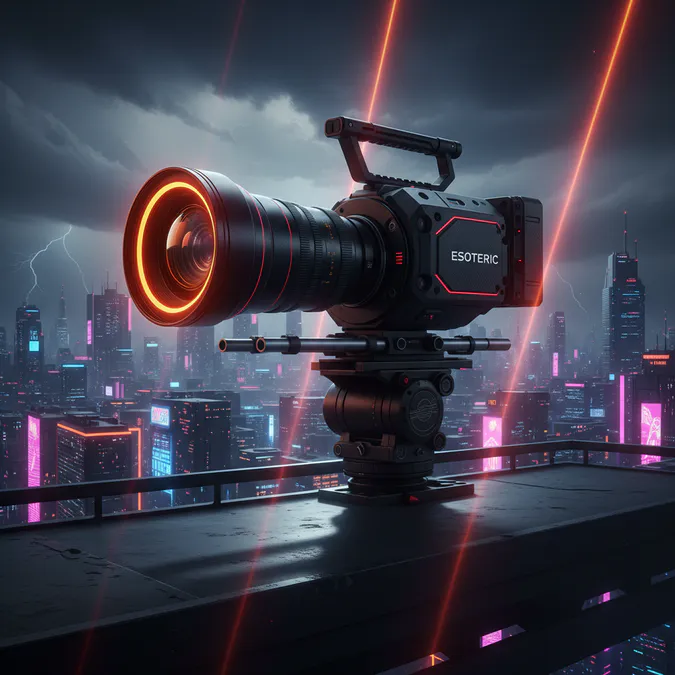
The 2026 camera market reflects growing accessibility in high-resolution technology. Professional cinema cameras from established manufacturers now offer 8K capabilities at various price points. RED cameras continue dominating the high-end market, while newer competitors have introduced compelling alternatives.
Canon's EOS R5C and subsequent models brought 8K recording to mirrorless systems, democratizing ultra-high-definition capture. Panasonic's Lumix S series expanded 6K options for professionals seeking balance between resolution and practicality. Sony's FX series cameras offer robust 8K capabilities with advanced autofocus systems.
The competitive landscape has intensified, with manufacturers recognizing that high-resolution capability is becoming essential rather than aspirational. This competition benefits content creators through improved features, better ergonomics, and more reasonable pricing structures.
Key Considerations for 8K and 6K Production
Adopting high-resolution workflows requires careful planning. Storage demands increase exponentially with resolution. A single hour of 8K footage can consume 2-4 terabytes of storage, depending on codec and compression settings. Production teams must invest in robust storage infrastructure, backup systems, and reliable data management protocols.
Bandwidth requirements present another challenge. Transferring massive 8K files requires high-speed networks and professional-grade connectivity. Many production facilities have upgraded their infrastructure specifically to accommodate high-resolution workflows.
Processing power matters significantly. Color grading, visual effects, and final delivery require powerful workstations. Real-time playback of 8K footage demands substantial computational resources. Post-production facilities have invested heavily in GPU-accelerated systems to handle these demands efficiently.
Lens selection becomes more critical with high-resolution sensors. Optical imperfections that might be invisible in 4K become apparent in 8K. Professional productions typically invest in premium cinema lenses that can resolve the fine detail these cameras capture.
Top 8K and 6K Cameras for 2026
RED Komodo remains a compelling option for independent filmmakers and smaller productions. This compact 8K camera offers professional capabilities in a portable package, making it ideal for documentary work and location shooting.
Canon EOS R5C delivers impressive 8K performance in a mirrorless form factor. The camera's autofocus capabilities and extensive lens ecosystem make it attractive for diverse production scenarios, from narrative filmmaking to commercial work.
Panasonic Lumix S1H provides robust 6K recording with exceptional color science. The camera's full-frame sensor and professional build quality appeal to cinematographers prioritizing image quality and reliability.
Sony FX30 and FX3 series cameras offer 4K with exceptional features, while higher-end Sony models support 8K recording. These cameras excel in hybrid production environments where video and photography overlap.
Blackmagic Design's cinema cameras continue offering excellent value in high-resolution production. Their integration with DaVinci Resolve provides seamless workflows from capture through final delivery.
The Workflow Reality of High-Resolution Production
Successfully implementing 8K or 6K workflows requires more than purchasing a capable camera. Production teams must establish comprehensive protocols covering acquisition, storage, backup, and post-production.
On-set considerations include monitoring solutions capable of displaying high-resolution footage accurately. Professional productions typically employ external recorders and monitoring systems that exceed the capabilities of in-camera displays.
Data management becomes a critical department function. Designated personnel must ensure proper file organization, backup creation, and verification throughout production. Losing high-resolution footage due to storage failures represents a catastrophic loss given the production investment.
Post-production planning should begin before shooting commences. Color grading facilities must confirm they can handle the chosen codec and resolution. Visual effects vendors need clear specifications regarding resolution, frame rates, and color space requirements.
Cost Implications and ROI Considerations
High-resolution production involves substantial investment beyond camera purchase. Storage infrastructure, backup systems, processing power, and specialized software all contribute to total cost of ownership.
Production teams must evaluate whether 8K or 6K resolution genuinely serves their project requirements. For content destined for streaming platforms that primarily distribute 4K, the additional resolution may not justify the expense. However, for premium productions, archival purposes, or future-proofing content, the investment becomes more defensible.
Independent filmmakers often find 6K a more practical compromise, offering significant advantages over 4K while maintaining more manageable file sizes and processing requirements compared to full 8K.
Industry Adoption and Future Trajectory
While 8K remains aspirational for many productions, adoption continues accelerating. Major broadcasters have begun 8K trials, and streaming platforms are preparing infrastructure for eventual 8K distribution. This gradual industry shift suggests that high-resolution capability will become increasingly standard.
The technology trajectory indicates continued improvement in camera affordability, codec efficiency, and processing capabilities. As these factors improve, 8K and 6K production will become more accessible to mid-tier productions and independent creators.
Emergent technologies like AI-assisted color grading and cloud-based post-production are making high-resolution workflows more manageable. These tools help offset the complexity and resource demands of ultra-high-definition production.
What This Means for Content Creators
Filmmakers evaluating high-resolution options should consider their specific needs, budget constraints, and distribution targets. 8K and 6K cameras represent powerful tools for creators prioritizing image quality, post-production flexibility, and future-proofing content.
For productions with established 4K workflows, the transition to higher resolution requires careful planning and infrastructure investment. However, the creative benefits and future-proofing advantages often justify the additional complexity.
The 2026 camera market offers more high-resolution options than ever before, with improved affordability and accessibility. This democratization of ultra-high-definition technology enables more creators to explore the creative possibilities that high-resolution capture provides.
Conclusion
The best 8K and 6K cameras for 2026 represent the culmination of years of technological development. These systems deliver exceptional image quality, creative flexibility, and future-proof capabilities that appeal to ambitious filmmakers and production companies.
While 8K may not yet be the industry standard, the technology has matured sufficiently to warrant serious consideration for premium productions. As infrastructure improves, costs decrease, and workflows become more efficient, high-resolution production will likely become increasingly common across the industry.
Content creators should evaluate their specific requirements, budget, and long-term vision when considering high-resolution cameras. For those committed to pushing creative boundaries and future-proofing their work, 8K and 6K cameras offer compelling advantages that justify the investment.
Key Takeaways
- 8K and 6K cameras provide significant advantages in image quality and post-production flexibility.
- Investing in high-resolution production requires careful planning and infrastructure upgrades.
- 8K technology is becoming more accessible, with various options available for filmmakers in 2026.
- Understanding the market landscape and evaluating specific project needs is crucial for content creators.
FAQ
What are the main benefits of using 8K and 6K cameras?
The main benefits include higher image quality, greater flexibility in post-production, and future-proofing content for emerging distribution platforms.
Are 8K and 6K cameras worth the investment for independent filmmakers?
For many independent filmmakers, 6K cameras offer a practical compromise, while 8K cameras are ideal for premium projects that require the highest quality.
How do I choose the right 8K or 6K camera for my needs?
Consider your specific project requirements, budget, and the types of content you plan to produce when selecting a camera.
Table of Contents
- Understanding 8K and 6K Resolution
- Why High-Resolution Matters in Modern Filmmaking
- Current Market Landscape for 8K and 6K Cameras
- Key Considerations for 8K and 6K Production
- Top 8K and 6K Cameras for 2026
- The Workflow Reality of High-Resolution Production
- Cost Implications and ROI Considerations
- Industry Adoption and Future Trajectory
- What This Means for Content Creators
- Conclusion
- Key Takeaways
- FAQ