
The Rise of Hybrid Video Cameras
Hybrid video cameras have emerged as a powerful tool for modern content creators, seamlessly blending high-resolution still photography with advanced video capabilities. Unlike dedicated cine cameras designed for large productions, hybrid cameras prioritize portability, autofocus speed, and in-body stabilization, making them ideal for a wide range of applications, from weddings and commercia
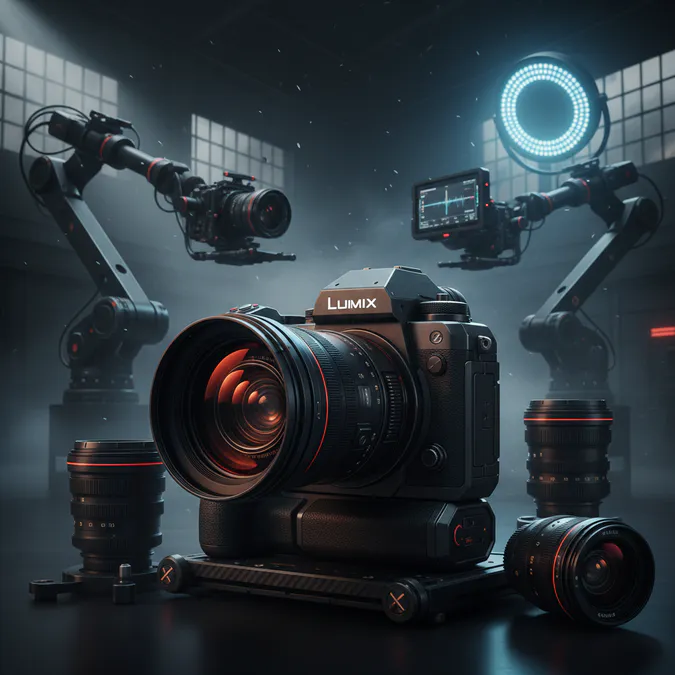
Criteria for Selecting the Best Pro Hybrid Video Cameras
When choosing a pro hybrid video camera, several key factors should be considered:
- Video Resolution and Frame Rate: Look for cameras that offer 8K video recording capabilities, as well as high frame rates for slow-motion footage.
- Sensor Size and Resolution: Full-frame sensors are generally preferred for their superior image quality and low-light performance. A resolution of around 44MP is emerging as a sweet spot for balancing detail and workflow efficiency [Source: Y.M.Cinema].
- Autofocus System: A fast and accurate autofocus system is crucial for both video and still photography, especially in dynamic shooting situations.
- In-Body Image Stabilization (IBIS): IBIS helps to reduce camera shake, resulting in smoother video and sharper images, especially in handheld shooting scenarios.
- Dynamic Range and Color Science: A wide dynamic range allows for capturing more detail in both highlights and shadows, while accurate color science ensures natural-looking colors.
- Codecs and Recording Options: Consider the available codecs and recording options, such as 10-bit log profiles, which provide greater flexibility in post-production.
- Ergonomics and Build Quality: The camera should be comfortable to hold and operate, with a durable build that can withstand the rigors of professional use.
Top Pro Hybrid Video Cameras of 2026: A Detailed Review
Here are some of the top pro hybrid video cameras expected to excel in 2026:
- Panasonic Lumix S1 II: This camera features a new partially-stacked full-frame sensor, enabling Open Gate 5.1K/60p video recording and up to 8 stops of IBIS. According to Micro Four Nerds, "The Lumix S1 Mkii is what I would call a dependable hybrid. It does photo and video extremely well, without constantly getting in your way" [Source: Micro Four Nerds].
- Sony Alpha A75: The Sony Alpha A75 is praised as a perfect photo-video blend, featuring a 33MP full-frame sensor and an articulating screen [Source: YouTube Review & Pascal Basel]. It offers high-detail stills and 4K/8K video capabilities.
- Fujifilm X-Series X-H2S: The Fujifilm X-Series X-H2S boasts excellent image quality, a robust build, superb autofocus tracking, and some of the best video specifications of any hybrid camera [Source: PetaPixel]. It supports 6.2K open-gate recording.
- Nikon Z8: The Nikon Z8 offers 8K UHD video recording at 30p with full pixel readout [Source: PetaPixel]. It combines high-resolution stills with advanced video features.
- Panasonic GH7: This Micro Four Thirds hybrid camera is capable of recording 5.7K video at up to 60p [Source: Imaging Resource]. It's a compact and versatile option for hybrid shooters.
8K Video Capabilities and Performance
8K video recording is becoming increasingly common in pro hybrid video cameras, offering unparalleled detail and resolution. However, shooting in 8K requires significant processing power and storage space. Key considerations for 8K video performance include:
- Full Pixel Readout: Ensure the camera offers full pixel readout to minimize aliasing and moiré.
- Internal Recording: Internal recording capabilities are essential for streamlined workflows.
- Bitrate and Codec: Higher bitrates and efficient codecs, such as ProRes, result in better image quality and more flexibility in post-production.
- Processing Power: The camera's processor must be capable of handling the demands of 8K video recording without overheating or experiencing performance issues.
Comparison with Pro Cine Cameras
While hybrid cameras offer a versatile solution for both video and still photography, dedicated cine cameras are designed specifically for professional video production. Here's a comparison of the key differences:
- Ergonomics and Design: Cine cameras typically have a more modular design, allowing for the attachment of various accessories, such as external monitors, recorders, and microphones.
- Manual Controls: Cine cameras offer extensive manual controls, giving filmmakers precise control over every aspect of the image.
- Recording Formats: Cine cameras often support raw recording formats, such as ProRes RAW, which provide maximum flexibility in post-production.
- Workflow: Cine cameras are typically used in larger productions with dedicated crews, while hybrid cameras are often favored by solo operators and small teams.
According to Y.M.Cinema Editorial, "In 2026, hybrid means one body that can do everything efficiently. Creators are shooting stills, vertical deliverables, social cutdowns, and long-form video in the same project cycle" [Source: Y.M.Cinema]. This highlights the growing importance of hybrid cameras in modern content creation workflows.
Future Trends in Hybrid Video Technology
The future of hybrid video technology is expected to bring even more advancements, including:
- Higher Resolution Sensors: Expect to see hybrid cameras with even higher resolution sensors, potentially exceeding 44MP.
- Improved Autofocus Systems: Autofocus systems will continue to improve, becoming even faster and more accurate.
- Advanced AI Features: AI-powered features, such as object recognition and tracking, will become more common.
- Enhanced Connectivity: Hybrid cameras will offer enhanced connectivity options, such as wireless video transmission and cloud integration.
Conclusion: Choosing the Right Camera for Your Needs
Choosing the right pro hybrid video camera depends on your specific needs and budget. Consider the factors discussed in this guide, such as video resolution, sensor size, autofocus system, and ergonomics. By carefully evaluating your options, you can select a camera that will help you capture stunning video and still images for years to come. As PetaPixel Review Team notes, some hybrid cameras offer "excellent image quality, robust build, excellent ergonomics, superb autofocus tracking and shooting speeds, and some of the best video specifications of any hybrid camera" [Source: PetaPixel].
Sources
- Automated Pipeline
- Best Hybrid Cameras for Photography and Video in 2026
- Best Hybrid Camera | Top Photo and Video Cameras in 2026
- Is 44MP the Sweet Spot for 2026 Hybrid Shooters?
- Top 10 BEST cameras for 2026 (and the WORST!)
- The Best Video Cameras (Updated 2026)
- Source: youtube.com
- Source: imaging-resource.com
- Source: youtube.com
- Source: youtube.com