Professional hybrid video cameras have revolutionized content creation by combining exceptional still photography capabilities with cinema-grade videography in compact, versatile bodies. In 2026, the hybrid camera market has matured significantly, offering shooters unprecedented flexibility without the need for separate photo and video gear. These cameras deliver 8K internal recording, advanced autofocus systems with hundreds of focus points, in-body image stabilization up to 8 stops, and professional codecs like ProRes RAW and Canon RAW Light. Whether you're a wedding videographer, filmmaker, or content creator, understanding the capabilities and differences between top pro hybrid models is essential for making an informed investment in your production workflow.
What Are Pro Hybrid Video Cameras?
Pro hybrid video cameras represent the evolution of mirrorless technology, bridging the gap between traditional DSLRs and dedicated cinema rigs. These cameras excel in both professional still photography and high-end videography, making them ideal for hybrid shooters who need versatility without compromise. In 2026, pro hybrid models emphasize 8K video resolution, open-gate recording f
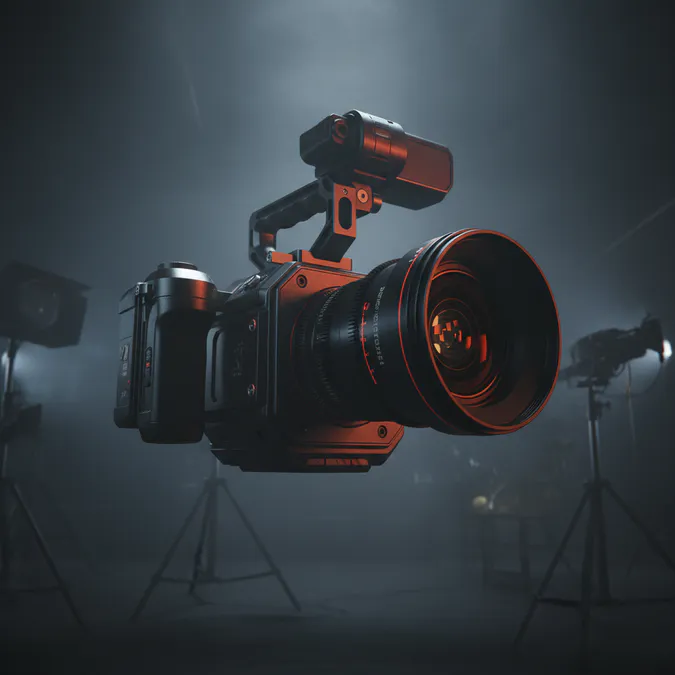
The appeal of hybrid cameras lies in their ability to handle demanding production workflows. Shooters can capture high-resolution stills for editorial work, then seamlessly transition to cinema-quality video without changing equipment. This efficiency is particularly valuable for wedding videographers, documentary filmmakers, and content creators working with limited crew and gear. Modern pro hybrid cameras support internal 10-bit 4:2:2 recording, high frame rates up to 120fps in 4K, and robust builds with dual card slots, making them ideal for production workflows without separate photo and video equipment.
Top Pro Hybrid Cameras for 2026
Fujifilm X-H2S: Best Overall Hybrid
The Fujifilm X-H2S stands out as the best overall hybrid camera for 2026, combining exceptional image quality with robust build and superb autofocus tracking. According to PetaPixel editors, "The Fujifilm X-H2s has it all – excellent image quality, robust build, excellent ergonomics, superb autofocus tracking and shooting speeds, and some of the best video specifications of any hybrid camera." This APS-C camera uses a sensor that mimics Super 35 film formats, making it particularly attractive to filmmakers familiar with cinema workflows.
The X-H2S delivers professional video specifications including 8K internal recording, 4K 120fps capability, and support for professional codecs. Its compact APS-C sensor size offers cost advantages over full-frame alternatives while maintaining cinema-standard imaging characteristics. The camera's robust build quality and excellent ergonomics make it suitable for extended production shoots. For shooters seeking the best balance of performance, value, and cinema-standard sensor size, the Fujifilm X-H2S represents an exceptional choice in the 2026 hybrid camera market.
Canon EOS R5 Mark II: 8K Flagship
Canon's EOS R5 Mark II represents the pinnacle of 8K hybrid performance, featuring a 45MP stacked sensor that enables rolling-shutter-free 8K recording. This full-frame powerhouse delivers an impressive 15+ stops of dynamic range, providing exceptional latitude in post-production color grading. The R5 Mark II's advanced sensor technology allows for cinema-quality results in a compact mirrorless body.
The camera supports Canon RAW Light codec and delivers high frame rates up to 120fps in 4K, making it suitable for demanding production workflows. Its stacked sensor design minimizes rolling shutter artifacts, a critical consideration for professional videography. The R5 Mark II's robust build includes dual card slots, essential for redundancy in professional productions. For cinematographers requiring the absolute best 8K performance and dynamic range, the Canon R5 Mark II stands as the flagship hybrid camera for 2026.
Panasonic Lumix S1 II: Video-First Performance
The Panasonic Lumix S1 II prioritizes video performance with 6K open-gate recording and 5-axis IBIS stabilization up to 8 stops. Its phase-hybrid autofocus system features an impressive 779 focus points, ensuring reliable subject tracking during complex shots. According to Micro Four Nerds reviewer, "The Lumix S1 Mkii is what I would call a dependable hybrid. It does photo and video extremely well, without constantly getting in your way."
This full-frame camera excels in professional video workflows with internal 10-bit 4:2:2 recording and support for professional codecs. The 6K open-gate format provides flexibility for cropping and reframing in post-production, valuable for documentary and narrative filmmaking. The S1 II's video-first design philosophy makes it particularly attractive to cinematographers transitioning from dedicated cinema cameras. With 779 phase-hybrid autofocus points and exceptional stabilization, the Lumix S1 II delivers dependable performance for hybrid shooters prioritizing video work.
Nikon Z8: Full-Frame Leader
The Nikon Z8 commands a premium price point of $3,999, reflecting its position as a full-frame leader in hybrid performance. This camera excels in dynamic range and video features, offering high resolution and robust autofocus capabilities. The Z8's full-frame sensor provides exceptional low-light performance and shallow depth-of-field capabilities, essential for cinematic imagery.
Nikon's Z8 delivers professional video specifications including high frame rates and advanced autofocus tracking. Its premium build quality and extensive feature set make it suitable for high-end production work. The camera's price reflects its positioning as a flagship hybrid for demanding professional applications. For shooters seeking a full-frame leader with comprehensive video features and exceptional low-light performance, the Nikon Z8 represents a premium investment in hybrid camera technology.
Sony A7 V Series: Versatile High-Resolution Performance
The Sony A7 V series offers versatile high-resolution performance suitable for hybrid shooters requiring balanced photo and video capabilities. These full-frame cameras deliver strong autofocus performance and reliable video features across multiple models. According to Imaging Resource reviewers, "This is the camera I recommend most often to photographers who do still photography that requires a high-resolution sensor and are also video creators."
Sony's A7 V series provides excellent value across different price points, with models ranging from entry-level to professional specifications. The cameras support professional codecs and deliver reliable performance in diverse production scenarios. Their versatility makes them particularly attractive to content creators balancing photography and videography demands. For hybrid shooters seeking a proven, versatile platform with strong autofocus and reliable video performance, the Sony A7 V series offers compelling options across multiple price points.
Key Features Comparison
Video Resolution and Frame Rates
Pro hybrid cameras in 2026 support multiple video recording options that rival dedicated cinema cameras. The Canon R5 Mark II leads with rolling-shutter-free 8K internal recording, while the Panasonic Lumix S1 II offers 6K open-gate recording. Most flagship models support 4K 120fps, enabling slow-motion cinematography and high-speed action capture. These specifications represent significant advances in hybrid camera capabilities, eliminating the need for external recorders in many production scenarios.
The availability of 8K and 6K recording options provides flexibility for different production requirements. 8K recording enables future-proofing for 4K delivery with cropping flexibility, while 6K open-gate recording allows for aspect ratio changes in post-production. High frame rate 4K recording at 120fps enables cinematic slow-motion effects without sacrificing resolution. These video specifications demonstrate that modern pro hybrid cameras deliver cinema-quality capabilities in compact bodies.
Autofocus Performance
Advanced autofocus systems define modern pro hybrid cameras. The Panasonic Lumix S1 II's 779 phase-hybrid autofocus points represent the current standard for reliable subject tracking. These systems enable continuous autofocus during video recording, essential for documentary work and dynamic shooting scenarios. The combination of phase-detect and contrast-detect autofocus provides reliable performance across diverse lighting conditions.
Modern autofocus systems in pro hybrid cameras utilize hundreds of focus points distributed across the sensor, enabling tracking of subjects anywhere in the frame. These systems maintain focus during camera movement and subject motion, critical for professional video work. The reliability of autofocus in 2026 hybrid cameras eliminates previous limitations that forced shooters toward manual focus or dedicated cinema cameras with more advanced autofocus systems.
Image Stabilization
In-body image stabilization up to 8 stops, as found in the Panasonic Lumix S1 II, enables handheld shooting without tripods or gimbals. This stabilization capability is particularly valuable for documentary filmmakers and content creators working in dynamic environments. Combined with professional lenses featuring optical stabilization, hybrid cameras can achieve cinema-quality stability without additional equipment.
The 8-stop stabilization capability represents a significant advancement in hybrid camera technology, enabling smooth handheld footage that previously required gimbal stabilization or tripod mounting. This feature is particularly valuable for run-and-gun documentary work, wedding videography, and content creation scenarios where mobility is essential. Modern IBIS systems in pro hybrid cameras provide reliable stabilization across various focal lengths and shooting scenarios.
Dynamic Range and Color Science
The Canon R5 Mark II's 15+ stops of dynamic range provides exceptional latitude for post-production color grading. This dynamic range capability enables shooters to recover detail in highlights and shadows, critical for professional cinematography. Combined with professional color science and codec support, modern hybrid cameras deliver results comparable to dedicated cinema cameras.
High dynamic range recording is essential for professional video work, enabling flexibility in post-production color grading and exposure correction. The 15+ stops available in the Canon R5 Mark II exceed many dedicated cinema cameras, providing exceptional latitude for challenging lighting scenarios. Professional color science in modern hybrid cameras ensures accurate color reproduction and smooth color transitions, essential for broadcast and theatrical delivery.
Professional Codec Support
Pro hybrid cameras support professional codecs including Canon RAW Light, ProRes RAW, and internal 10-bit 4:2:2 recording. These codec options provide flexibility for different production workflows and post-production requirements. Support for professional codecs eliminates the need for external recorders in many production scenarios, streamlining workflows and reducing equipment complexity.
Professional codec support enables direct delivery to color grading and editing workflows without transcoding, saving time and preserving image quality. Internal 10-bit 4:2:2 recording provides sufficient color information for professional color grading, while RAW options enable maximum post-production flexibility. The availability of multiple codec options allows shooters to select recording formats optimized for their specific production requirements and post-production workflows.
APS-C vs Full-Frame Considerations
Sensor Size and Filmmaking Standards
The Fujifilm X-H2S's APS-C sensor matches Super 35 film format dimensions, the industry standard for cinema production. This alignment with filmmaking conventions makes APS-C cameras particularly attractive to cinematographers familiar with traditional film workflows. The smaller sensor size also enables more compact lens designs and reduces equipment costs compared to full-frame alternatives.
Super 35 has been the standard for theatrical cinema production for decades, making APS-C sensors particularly appealing to filmmakers transitioning to digital hybrid cameras. The familiar field of view and depth-of-field characteristics of Super 35 lenses translate directly to APS-C hybrid cameras, enabling seamless integration with existing cinema lens collections. This standardization makes APS-C cameras like the Fujifilm X-H2S particularly attractive for professional cinematography work.
Full-Frame Advantages
Full-frame cameras like the Canon R5 Mark II, Nikon Z8, and Panasonic Lumix S1 II offer advantages in low-light performance and shallow depth-of-field capabilities. The larger sensor area captures more light, enabling higher ISO performance and cleaner images in challenging lighting conditions. Full-frame sensors also provide greater flexibility for achieving cinematic shallow focus effects.
The larger sensor area in full-frame cameras provides approximately one stop of additional light gathering compared to APS-C sensors, translating to cleaner images at higher ISO values. This low-light advantage is particularly valuable for documentary work, event videography, and interior filming scenarios. Full-frame sensors also enable shallower depth-of-field at equivalent focal lengths, providing greater flexibility for achieving cinematic focus separation.
Cost and Lens Ecosystem
APS-C hybrid cameras typically cost less than full-frame alternatives, with the Fujifilm X-H2S offering exceptional value for professional video work. The smaller sensor size also translates to more affordable lens options, reducing overall system costs. For budget-conscious hybrid shooters, APS-C cameras provide a compelling value proposition without significant compromises in video quality.
Full-frame systems command premium prices but offer extensive lens ecosystems and superior low-light performance. The investment in full-frame hybrid cameras is justified for shooters requiring maximum versatility and low-light capability. Professional productions often standardize on full-frame systems to leverage extensive lens libraries and proven performance across diverse production scenarios.
Pricing and Value Analysis
Pro hybrid cameras in 2026 range from approximately £1,200 for entry-level models to $3,999 for flagship systems like the Nikon Z8. This price range reflects significant variation in features, sensor technology, and video capabilities. Understanding value at different price points is essential for matching camera selection to production budgets and requirements.
Entry-level hybrid cameras deliver solid video performance suitable for content creators and emerging filmmakers. Mid-range models like the Fujifilm X-H2S offer professional video specifications at reasonable prices, making them attractive for hybrid shooters balancing photo and video work. Flagship models command premium prices but deliver cutting-edge features including 8K recording, advanced autofocus, and professional codec support.
The strong autofocus performance and no-recording-limit policies across pro hybrid models eliminate previous limitations that forced shooters toward dedicated cinema cameras. Modern hybrid cameras deliver professional results without artificial restrictions, making them viable for demanding production workflows previously requiring separate photo and video gear. This represents a fundamental shift in hybrid camera capabilities, enabling single-camera solutions for comprehensive production workflows.
The Bottom Line
Professional hybrid video cameras have matured into essential tools for modern production workflows. The 2026 lineup offers unprecedented capabilities including 8K internal recording, advanced autofocus systems with hundreds of focus points, in-body image stabilization up to 8 stops, and professional codec support. Whether you choose the Fujifilm X-H2S for its balanced performance and cinema-standard sensor size, the Canon R5 Mark II for 8K flagship capabilities, the Panasonic Lumix S1 II for video-first performance, the Nikon Z8 for full-frame leadership, or the Sony A7 V series for versatile high-resolution work, modern pro hybrid cameras eliminate the need for separate photo and video equipment.
The choice between APS-C and full-frame depends on your specific production requirements, budget constraints, and existing lens ecosystems. APS-C cameras like the Fujifilm X-H2S offer excellent value and cinema-standard sensor sizes, while full-frame options provide superior low-light performance and shallow depth-of-field capabilities. Regardless of your selection, 2026's pro hybrid cameras deliver cinema-quality results in compact, versatile bodies suitable for professional production workflows. For hybrid shooters seeking to consolidate equipment and maximize production flexibility, investing in a pro hybrid camera represents a strategic decision that simplifies workflows while delivering exceptional video quality.
Sources
- Automated Pipeline
- Best Hybrid Camera | Top Photo and Video Cameras in 2026
- top 10 BEST cameras for 2026 (and the WORST!) - Micro Four Nerds
- Best Hybrid Cameras for Photography and Video in 2026 - PetaPixel
- Best Pro Hybrid Video Cameras 2026 - Imaging Resource
- 6 Best Hybrid Cameras in 2026 - YouTube
- Source: youtube.com
- Source: youtube.com
- Source: youtube.com
- Source: dpreview.com