The vlogging landscape has evolved dramatically, and 2026 brings unprecedented opportunities for content creators seeking to produce high-quality video production. Whether you're a seasoned YouTuber, TikTok creator, or aspiring filmmaker, selecting the right vlogging camera is crucial for delivering engaging content that stands out in an increasingly competitive digital space.
Vlogging cameras have become more sophisticated and accessible than ever before. Today's creators have numerous options to choose from, each offering distinct advantages depending on their specific needs, budget, and production goals. The evolution of camera technology has democratized professional-quality video production, allowing independent creators to compete with established media companies.
What Defines a Great Vlogging Camera?

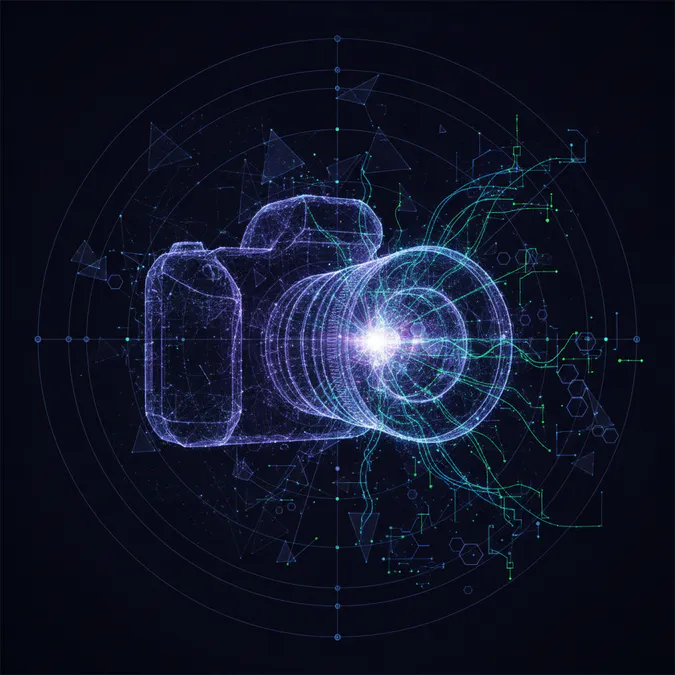
When evaluating vlogging cameras, several key specifications and features deserve your attention. Video resolution has become a primary consideration, with many modern cameras now offering 8K capabilities. However, resolution alone doesn't determine quality—factors like sensor size, autofocus performance, stabilization, and portability equally impact your final output.
Autofocus technology has revolutionized vlogging. Modern cameras feature advanced autofocus systems that track subjects in real-time, ensuring sharp focus even during dynamic movement. This is particularly valuable for vloggers who move around frequently or film themselves while talking to the camera.
Stabilization technology represents another critical advancement. Built-in electronic stabilization or mechanical gimbal compatibility helps eliminate shaky footage, creating professional-looking videos without requiring expensive external equipment. Many creators prioritize in-body stabilization as a must-have feature.
Portability and Form Factor
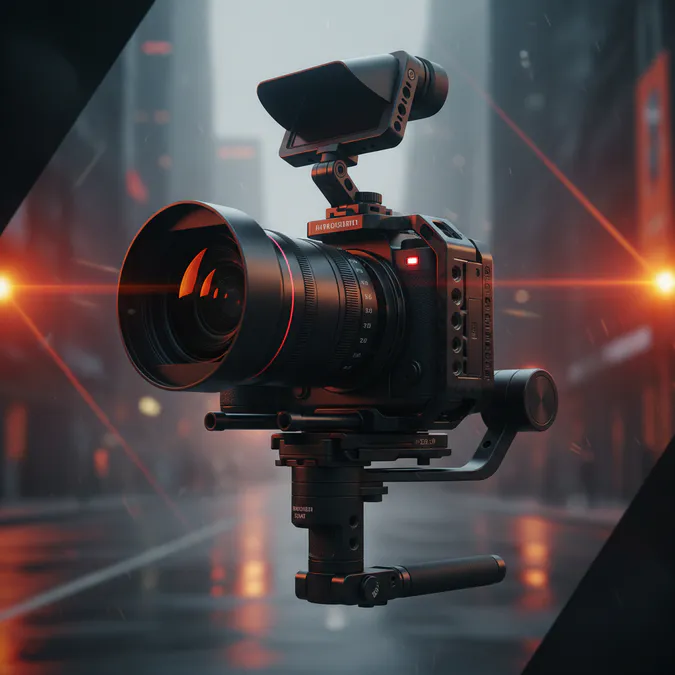
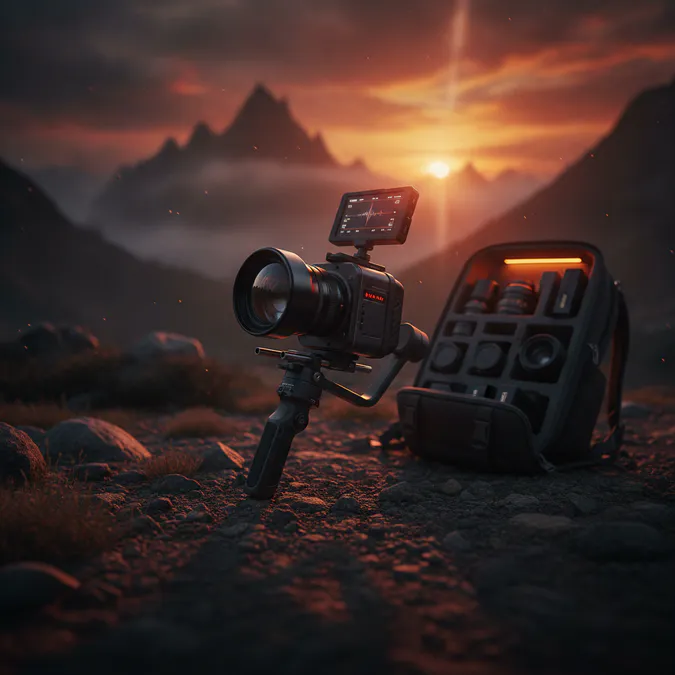
Vlogging demands equipment that's easy to carry and operate. Compact mirrorless cameras have become the preferred choice for many content creators because they balance professional capabilities with portability. Unlike bulky cinema cameras, modern vlogging cameras fit comfortably in backpacks and can be operated handheld for extended periods.
Weight and size di
Battery life matters significantly when you're filming multiple takes or extended vlogging sessions. Look for cameras offering at least 60-90 minutes of continuous recording on a single charge. Many creators invest in additional batteries and portable charging solutions to ensure uninterrupted filming.
Audio Capabilities
While video quality grabs attention, audio quality keeps viewers engaged. Professional vlogging cameras should feature robust audio inputs, including 3.5mm microphone jacks or XLR connections. Built-in microphones rarely deliver broadcast-quality sound, making external microphone compatibility essential.
Some advanced vlogging cameras now include integrated audio interfaces that simplify microphone connectivity. Wind noise reduction features prove invaluable for outdoor filming, preventing distracting audio artifacts that plague outdoor content.
Video Resolution and Codec Considerations
8K video resolution represents the cutting edge of vlogging technology in 2026. While 4K remains the standard for most online platforms, shooting in 8K provides significant advantages. Higher resolution captures more detail, allowing for digital zooming in post-production without quality loss. Additionally, 8K footage can be downscaled to 4K or 1080p, providing flexibility in your editing workflow.
Codec selection impacts file sizes, processing power requirements, and editing efficiency. Modern vlogging cameras offer various codec options, from standard H.264 to more efficient H.265 (HEVC) compression. Some professional models include flat color profiles that preserve maximum color information during recording, enabling advanced color grading in post-production.
Flat profiles capture a wider dynamic range, allowing editors to recover detail in both highlights and shadows. This proves particularly valuable for vloggers who invest time in color grading their content, creating a distinctive visual style.
Connectivity and Output Options
Modern vlogging workflows often require multiple connectivity options. USB-C ports enable fast file transfers and external power delivery, while wireless connectivity allows direct uploads to cloud storage or streaming platforms. Some cameras feature built-in WiFi and Bluetooth for seamless smartphone integration.
HDMI output capabilities vary across camera models. While some vlogging cameras omit HDMI ports to reduce size and cost, others include them for external monitor connectivity. External monitors prove useful for precise focus confirmation and composition framing, particularly valuable during solo filming sessions.
Live Streaming Capabilities
Live streaming has become integral to modern vlogging. Many 2026 vlogging cameras include native streaming capabilities, allowing direct broadcasts to YouTube, Twitch, or other platforms without additional hardware. Built-in streaming features simplify the technical setup, enabling creators to go live with minimal preparation.
Using Smartphones and Drones
While dedicated cameras dominate professional vlogging, smartphones and drones have become valuable supplementary tools. Modern smartphones deliver impressive video quality, particularly in well-lit environments. They excel for quick, spontaneous content capture and social media clips.
Drones add dynamic aerial perspectives that elevate production value. Compact drone models offer 4K video capability with impressive stabilization, making them accessible for vloggers seeking to incorporate aerial shots without extensive training or investment.
Choosing Your Vlogging Setup
The ideal vlogging camera depends on your specific needs, experience level, and budget. Beginners might prioritize ease of use and affordability, while established creators can justify investing in advanced features and higher price points.
Consider your primary filming environment. Indoor studio vlogging has different requirements than outdoor travel vlogging. Lighting conditions, subject matter, and mobility needs should all influence your camera selection.
Think about your growth trajectory. Investing in a camera system that can grow with your channel prevents expensive equipment replacements as your production standards increase. Modular systems with interchangeable lenses offer greater flexibility than fixed-lens cameras.
Budget Considerations
Vlogging camera prices span a wide range, from budget-friendly options under $500 to professional-grade equipment exceeding $5,000. Your budget should reflect your commitment level and revenue potential.
Remember that cameras represent only one component of your vlogging setup. Budget allocation should also include microphones, lighting, tripods, and editing software. A balanced investment across all equipment categories typically yields better results than concentrating your budget entirely on the camera body.
Future-Proofing Your Investment
Technology evolves rapidly, but certain features remain valuable long-term. Prioritize cameras with strong autofocus systems, reliable stabilization, and flexible codec options. These fundamentals transcend generational improvements.
Consider the manufacturer's track record for firmware updates. Companies that regularly improve their cameras through software updates extend the useful lifespan of your equipment, ensuring your investment remains relevant as technology advances.
Key Takeaways
Selecting the right vlogging camera requires balancing multiple factors: video resolution, autofocus performance, stabilization, portability, audio capabilities, and connectivity options. 8K resolution offers future-proofing benefits, while flat color profiles enable advanced post-production work. Your specific needs, filming environment, and budget should guide your decision-making process. Remember that the best camera is the one you'll actually use—prioritize equipment that fits your workflow and encourages consistent content creation. Whether you choose a dedicated mirrorless camera, smartphone, or drone, focus on mastering your chosen tool to maximize your content quality and audience engagement.
FAQ
1. What should I look for in a vlogging camera?
When selecting a vlogging camera, consider video resolution, autofocus performance, stabilization, and audio capabilities. These features significantly impact your content quality.
2. Is 8K resolution necessary for vlogging?
While 8K resolution is not essential, it offers advantages like more detail and flexibility in post-production. It can enhance the quality of your videos.
3. Can I use my smartphone for vlogging?
Yes, modern smartphones provide excellent video quality and are convenient for spontaneous content creation. They can be a great addition to your vlogging toolkit.
Table of Contents
- What Defines a Great Vlogging Camera?
- Portability and Form Factor
- Audio Capabilities
- Video Resolution and Codec Considerations
- Connectivity and Output Options
- Live Streaming Capabilities
- Using Smartphones and Drones
- Choosing Your Vlogging Setup
- Budget Considerations
- Future-Proofing Your Investment
- Key Takeaways
- FAQ
For authoritative insights on vlogging cameras, consider checking resources from major publications like TechRadar or Digital Trends.