Table of Contents

- Bisalpur Dam Video Documentation and Real-Time Monitoring
- Understanding Bisalpur Dam's Significance
- The Role of Video Technology in Infrastructure Monitoring
- The September 6th Update: What the Video Showed
- Video Technology in Dam Operations
- The Importance of Real-Time Video Updates
- Technical Aspects of Dam Monitoring Videos
- Water Level Management and Gate Operations
- The Evolution of Video Technology in Water Management
- Challenges in Dam Video Documentation
- Best Practices for Dam Monitoring Videos
- Future Developments in Dam Video Technology
- What This Means
Bisalpur Dam Video Documentation and Real-Time Monitoring
The Bisalpur Dam continues to be a focal point of regional water management, with video documentation playing an increasingly important role in public communication and infrastructure monitoring. Recent video updates from September 6th demonstrate how modern video technology serves as a critical tool for disseminating real-time information about water levels

Understanding Bisalpur Dam's Significance
Bisalpur Dam, located in Rajasthan, represents a vital water resource for the region. The dam's water level status directly impacts agricultural irrigation, drinking water supply, and hydroelectric generation. Video updates have become the preferred method for communicating critical information about the dam's operational status to stakeholders and the public.
The Role of Video Technology in Infrastructure Monitoring
Video documentation has revolutionized how water management authorities communicate with the public. Rather than relying solely on written reports or technical data, video updates provide visual confirmation of dam conditions, water levels, and operational status. This transparency builds public confidence and ensures accurate information dissemination.
The September 6th Update: What the Video Showed
According to the latest video documentation, Bisalpur Dam's water level stood at a critical juncture on September 6th. The reservoir was reported to be just 2 centimeters away from reaching full capacity. This near-maximum water level status indicated that the dam was approaching a significant operational threshold.
When a dam reaches full capacity, specific operational protocols are activated. The video update referenced the imminent activation of warning sirens and the opening of dam gates. These procedures are essential safety measures designed to manage excess water and prevent overflow situations that could pose risks to downstream communities.
Video Technology in Dam Operations
Modern dam monitoring systems integrate multiple video technology solutions:
- Real-Time Surveillance Cameras: High-definition cameras positioned at strategic locations around the dam provide continuous visual monitoring. These cameras capture water levels, spillway conditions, and gate operations.
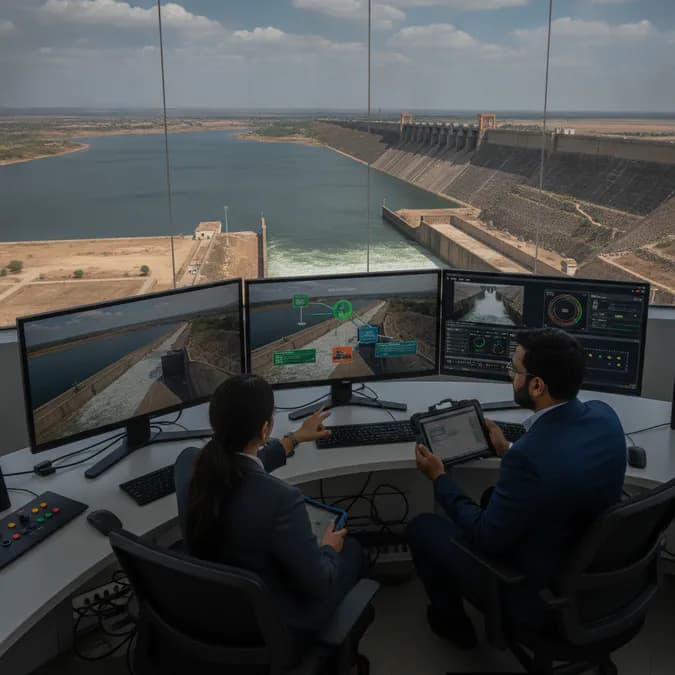
- Remote Monitoring Systems: Video feeds from dam sites are transmitted to control centers where operators can monitor conditions in real-time. This allows for quick decision-making regarding gate operations and water release procedures.
- Public Communication Videos: Authorities produce regular video updates for public distribution. These videos explain current conditions, upcoming operations, and safety measures in accessible language.
- Documentation and Archiving: Video records create a permanent documentation of dam operations, water levels, and seasonal variations. This historical data proves valuable for long-term water management planning.
The Importance of Real-Time Video Updates
Video updates serve multiple critical functions in water management:
- Public Safety: When dam gates are about to open, video announcements alert downstream communities to potential flooding risks. This advance warning allows residents to take necessary precautions.
- Transparency: Video documentation provides visual evidence of dam conditions, reducing speculation and misinformation. The public can see actual water levels rather than relying on technical reports.
- Education: Video updates help the public understand dam operations, water management principles, and the importance of water conservation.
- Operational Coordination: Video feeds allow multiple agencies and departments to monitor conditions simultaneously, improving coordination during critical operations.
Technical Aspects of Dam Monitoring Videos
Producing effective dam monitoring videos requires careful attention to several technical elements:
- Camera Placement: Cameras must be positioned to capture relevant information about water levels, spillways, and gates. Multiple camera angles provide comprehensive coverage.
- Lighting Conditions: Dam monitoring videos must be clear regardless of time of day or weather conditions. Professional lighting and camera settings ensure visibility in all situations.
- Video Quality Standards: High-definition video provides clear visual information that can be analyzed for water level measurements and operational status.
- Audio Documentation: Clear audio in video updates ensures that important announcements, such as siren activation warnings, are properly communicated.
- Distribution Methods: Videos must be distributed through accessible channels including social media, official websites, and local broadcasting systems.
Water Level Management and Gate Operations
When a dam approaches full capacity, specific operational procedures are initiated:
- Monitoring Intensifies: Video surveillance increases in frequency and detail as water levels rise toward maximum capacity.
- Siren Activation: Warning sirens alert downstream communities that gate operations are imminent. Video updates often include information about siren activation timing.
- Gate Opening Procedures: Spillway gates are opened in controlled sequences to release excess water. Video documentation captures these operations for safety and record-keeping purposes.
- Flow Rate Management: Video monitoring helps operators manage the rate at which water is released, preventing sudden flooding while maintaining dam structural integrity.
The Evolution of Video Technology in Water Management
Video technology has transformed water management practices over the past decade:
- From Manual Observation to Automated Monitoring: Early dam operations relied on personnel physically observing water levels. Modern systems use automated video monitoring with real-time data transmission.
- Increased Public Access: Video updates make information accessible to the general public, not just technical specialists. This democratization of information improves public awareness and safety.
- Integration with Data Systems: Video feeds are increasingly integrated with automated water level measurement systems, providing both visual and numerical data.
- Multi-Platform Distribution: Videos are distributed across television, internet, social media, and mobile applications, reaching diverse audiences.
Challenges in Dam Video Documentation
Producing effective dam monitoring videos presents several challenges:
- Weather Conditions: Heavy rain, fog, and storms can reduce video visibility and complicate monitoring efforts.
- Technical Maintenance: Cameras and transmission equipment require regular maintenance to ensure continuous operation.
- Data Management: High-volume video data from continuous monitoring requires substantial storage and processing capacity.
- Public Communication: Translating technical information into clear, accessible video content requires specialized communication skills.
Best Practices for Dam Monitoring Videos
Effective dam monitoring video programs incorporate several best practices:
- Regular Updates: Consistent video updates maintain public awareness and confidence in water management operations.
- Clear Communication: Videos should explain technical information in language accessible to general audiences.
- Multiple Perspectives: Using multiple camera angles provides comprehensive understanding of dam conditions.
- Timely Alerts: Video announcements should be distributed promptly when operational changes are imminent.
- Archival Documentation: Maintaining video records creates valuable historical documentation of dam operations.
Future Developments in Dam Video Technology
Emerging technologies promise to enhance dam monitoring capabilities:
- Drone Surveillance: Unmanned aerial vehicles provide flexible, high-resolution video coverage of dam structures and surrounding areas.
- Artificial Intelligence: AI-powered analysis of video feeds can automatically detect water level changes and alert operators to critical conditions.
- Live Streaming: Real-time streaming of dam conditions allows continuous public access to operational information.
- 360-Degree Video: Immersive video technology provides comprehensive visual documentation of dam operations.
- Integrated Data Visualization: Video feeds combined with real-time data displays provide operators with comprehensive operational information.
What This Means
The Bisalpur Dam video update from September 6th exemplifies how modern video technology serves critical functions in water management and public safety. Video documentation provides real-time visibility into dam operations, enables transparent communication with the public, and creates permanent records of operational procedures. As water management challenges intensify due to climate variability and population growth, video technology will continue to play an essential role in ensuring safe, efficient dam operations and protecting downstream communities. The integration of advanced video monitoring systems with automated data collection and public communication platforms represents a significant advancement in water resource management practices.
Key Takeaways
- Video documentation is crucial for real-time monitoring of Bisalpur Dam.
- It enhances public safety by providing timely alerts and transparency.
- Modern technology improves operational efficiency and public communication.
- Future advancements will further enhance monitoring capabilities.
Frequently Asked Questions
What is video documentation?
Video documentation refers to the use of video technology to capture and communicate information about specific events or conditions, such as those at Bisalpur Dam.
How does video documentation improve public safety?
It provides real-time updates and alerts to the public about potential risks, such as flooding, ensuring that communities can take necessary precautions.
What technologies are used in dam monitoring?
Technologies include high-definition surveillance cameras, remote monitoring systems, and AI analytics for real-time data interpretation.