Camera technology is fundamentally transforming how the Milano Cortina 2026 Winter Olympics will be broadcast to global audiences. The integration of advanced camera technology—including Super 35mm and full-frame cinema cameras, AI-driven replays, and FPV drones—represents a watershed moment in sports broadcasting. This technological shift promises to deliver an unprecedented viewing experience that elevates the standard for how live sports are captured and presented worldwide.
Introduction: The Future of Olympic Broadcasting
The Milano Cortina 2026 Winter Olympics will not only showcase athletic prowess but also serve as a global stage for groundbreaking advancements in broadcasting technology. The integration of advanced camera technology—including Super 35mm and full-frame cinema cameras, AI-powered replays, and FPV drones—represents a significant leap forward in delivering immersive and high-quality coverage. This event i
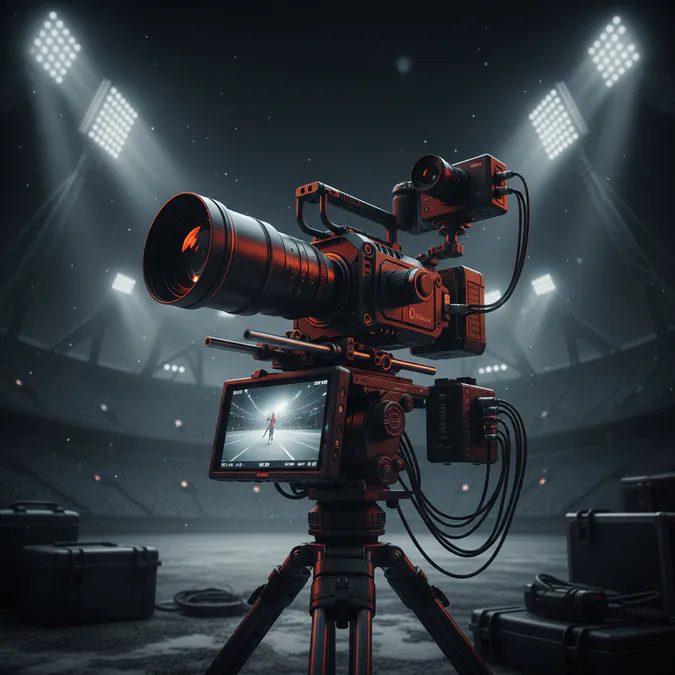
Advancements in Camera Technology for Milano Cortina 2026
The Milano Cortina 2026 Olympics are at the forefront of a technological revolution in sports broadcasting. The event will feature over 800 cameras strategically positioned across venues, all linked by a high-speed 100G fiber network [Source: Viaccess-Orca Blog]. This robust infrastructure supports the delivery of 44 HD/UHD feeds and over 6,500 hours of content. The camera technology deployment represents one of the most comprehensive implementations of advanced imaging systems ever attempted at a Winter Olympics. Key advancements include:
- Super 35mm and Full-Frame Cinema Cameras: Advanced camera technology providing cinematic quality visuals for live sports, bringing filmmaking aesthetics to athletic events and creating visually distinctive broadcasts.
- AI-Driven Replays: Intelligent camera technology enhancing viewer engagement with dynamic and automated replay options that highlight key moments and provide instant analysis.
- FPV Drones: Aerial camera technology offering unique and immersive perspectives of the games from angles previously impossible to capture with traditional equipment.
- Virtualized OB Vans: The first Winter Olympics to utilize fully virtualized outside broadcast vans, streamlining production workflows and reducing on-site complexity significantly.
- Cloud-Based Remote Production: Approximately 50-60% of the coverage will be delivered remotely via cloud and IP-based systems, increasing efficiency and reducing on-site infrastructure requirements [Source: Viaccess-Orca Blog].
The Role of Super 35mm and Full-Frame Cinema Cameras
One of the most visible changes in Olympic broadcasting for Milano Cortina 2026 is the prominent use of Super 35mm and full-frame cinema cameras. This advanced camera technology, traditionally used in filmmaking, brings a cinematic aesthetic to live sports coverage. Their larger sensors and superior optics allow for shallow depth of field, creating visually stunning images with enhanced clarity and detail. The camera technology approach elevates the viewer experience, making it more immersive and engaging by applying professional cinematography standards to real-time sports events [Source: CineD].
These imaging systems represent a fundamental shift in how broadcasters approach camera technology selection for major sporting events. By prioritizing image quality and cinematic presentation, Milano Cortina 2026 demonstrates that advanced camera technology can enhance both the technical and artistic aspects of sports broadcasting simultaneously. The use of professional-grade lenses and sensors creates a visual experience that distinguishes this Olympic broadcast from previous editions.
Cinematic Live Workflows: Enhancing the Viewer Experience
The introduction of cinematic live workflows is transforming how the Olympics are broadcast through innovative camera technology implementation. This involves using techniques and equipment typically associated with filmmaking to capture and present live sports events in real-time. Key elements of this camera technology approach include:
- High-Quality Lenses: Professional-grade optical systems that work in tandem with advanced camera technology to capture sharp and detailed images across varying lighting conditions and weather.
- Color Grading: Applying color correction and grading techniques to enhance the visual appeal of footage captured by camera technology systems and create consistent visual storytelling.
- Shallow Depth of Field: Creating a cinematic look with blurred backgrounds to focus attention on the subject, a technique enabled by the superior sensor capabilities of modern camera technology.
- Real-Time Processing: Implementing advanced image processing techniques to ensure high-quality visuals in real-time, supported by powerful computing infrastructure and automated workflows.
These workflows, combined with the use of Super 35mm and full-frame cameras, contribute to a more visually appealing and engaging broadcast. The camera technology integration demonstrates how traditional filmmaking principles can enhance sports broadcasting without compromising the immediacy and authenticity of live events. Industry experts note that this approach represents a proven method for increasing viewer engagement and satisfaction.
AI Replays and FPV Drones: A New Perspective on the Games
AI-driven replays and FPV (First Person View) drones represent cutting-edge camera technology innovations set to provide viewers with fresh and dynamic perspectives on the Olympic Games. AI algorithms analyze live footage captured by camera technology systems to automatically generate compelling replays, highlighting key moments and providing insightful analysis. FPV drones, equipped with high-resolution cameras, offer immersive aerial views of the venues and events, capturing the action from unique angles that traditional camera technology cannot achieve.
These advanced camera technology solutions not only enhance the visual spectacle but also provide valuable insights into the athletes' performances and the overall dynamics of the games. The use of AI and drone-based camera technology represents a significant step towards more engaging and informative sports broadcasting. Research indicates that this integration of multiple camera technology platforms creates a comprehensive visual narrative that engages viewers on multiple levels, from casual observers to dedicated sports enthusiasts.
Impact on Sports Broadcasting and Filmmaking
The technological advancements in camera technology showcased at the Milano Cortina 2026 Olympics are expected to have a lasting impact on both sports broadcasting and filmmaking industries. The successful integration of cinematic techniques and advanced camera technology into live sports coverage could lead to wider adoption of these methods in other sporting events. This could result in a general increase in the visual quality and production value of sports broadcasts worldwide, setting new expectations for viewers globally.
Furthermore, the use of AI-driven replays and FPV drone camera technology could inspire new creative approaches in filmmaking, opening up opportunities for innovative storytelling and visual expression. The Olympics serve as a testing ground for these camera technology innovations, paving the way for their integration into various aspects of the entertainment industry. As broadcasters and filmmakers witness the success of these camera technology implementations, adoption rates are expected to accelerate across multiple sectors.
NBC Sports is leveraging technology providers like Grass Valley for routing, Planar for LED walls, and Chyron for graphics to support their Milano Cortina 2026 production [Source: NBC Sports Has an Army of Technology Providers Supporting Milano Cortina 2026 Production]. Samsung Electronics is also deploying ViewFinity S8 monitors for real-time officiating in short track speed skating, demonstrating how camera technology and display systems work together to enhance the broadcast experience and support decision-making processes.
Key Takeaways
- Milano Cortina 2026 will deploy over 800 cameras using advanced camera technology linked by a 100G fiber network to deliver 44 HD/UHD feeds and comprehensive coverage.
- Super 35mm and full-frame cinema cameras bring cinematic quality to live sports, representing a fundamental shift in camera technology selection for major events.
- AI-driven replays and FPV drones provide innovative perspectives that enhance viewer engagement through intelligent camera technology systems and automated analysis.
- Approximately 50-60% of coverage will use cloud-based remote production, demonstrating how camera technology integrates with modern broadcasting infrastructure.
- The successful implementation of advanced camera technology at Milano Cortina 2026 is expected to influence broadcasting standards for future sporting events globally.
- Camera technology innovations at Milano Cortina 2026 will likely inspire new creative approaches in both sports broadcasting and filmmaking industries.
- Professional-grade lenses, color grading, and real-time processing are essential components of modern camera technology workflows for live events.
- The integration of multiple camera technology platforms creates comprehensive visual narratives that engage diverse audiences across different viewing preferences.
Frequently Asked Questions
What is camera technology being used at Milano Cortina 2026?
Milano Cortina 2026 employs advanced camera technology including Super 35mm and full-frame cinema cameras, AI-powered replay systems, FPV drones, and over 800 strategically positioned cameras connected via a 100G fiber network. This comprehensive camera technology infrastructure supports the delivery of 44 HD/UHD feeds and over 6,500 hours of content, representing one of the most sophisticated camera technology deployments in Olympic history.
How does camera technology improve the Olympic viewing experience?
Advanced camera technology enhances the viewing experience through superior image quality, cinematic aesthetics, shallow depth of field effects, and dynamic perspectives from drone-based systems. AI-driven camera technology automatically generates compelling replays, while real-time processing ensures high-quality visuals throughout the broadcast. The combination of these camera technology innovations creates a more engaging and immersive experience for viewers worldwide.
Why are cinema cameras being used for live sports broadcasting?
Cinema cameras offer larger sensors, superior optics, and advanced features that enable broadcasters to apply filmmaking principles to sports coverage. This camera technology approach creates more visually engaging broadcasts with enhanced clarity, detail, and cinematic presentation that traditional sports camera technology cannot match. The use of professional-grade camera technology elevates the overall production value and viewer satisfaction.
What role do FPV drones play in Milano Cortina 2026 coverage?
FPV drone camera technology provides immersive aerial perspectives of venues and events, capturing action from unique angles. This camera technology innovation offers viewers fresh viewpoints and enhances the overall visual storytelling of the Olympic Games. The drones equipped with high-resolution cameras enable perspectives that would be impossible to achieve with traditional stationary camera technology.
Will camera technology innovations from Milano Cortina 2026 affect future sports broadcasts?
Yes, the successful implementation of advanced camera technology at Milano Cortina 2026 is expected to influence broadcasting standards for future sporting events. The integration of cinematic camera technology, AI systems, and drone perspectives will likely become more common in sports broadcasting globally as other broadcasters adopt these proven camera technology innovations.
How does AI enhance camera technology in sports broadcasting?
AI enhances camera technology by automatically analyzing live footage to generate compelling replays and highlight key moments. This intelligent camera technology system can identify significant plays in real-time, provide instant analysis, and create dynamic replay sequences that enhance viewer engagement without requiring manual intervention from production teams.
Conclusion: A Technological Showcase
The Milano Cortina 2026 Winter Olympics are set to be a landmark event in the evolution of sports broadcasting through revolutionary camera technology. The integration of advanced camera technology—including Super 35mm and full-frame cinema cameras, AI-driven replays, and FPV drones—promises to deliver an unparalleled viewing experience. With a robust infrastructure supporting these innovations, the event will not only showcase athletic excellence but also serve as a technological showcase, setting new standards for future sports broadcasts and inspiring innovation in filmmaking and beyond.
As Olympic Broadcast Services (OBS), the Host Broadcaster for Milano Cortina 2026, notes, "This evolution underscores a clear trend: as broadcast operations become more complex and data-intensive, the network infrastructure must scale accordingly" [Source: Viaccess-Orca Blog]. The camera technology deployed at Milano Cortina 2026 exemplifies how modern broadcasting demands sophisticated systems that balance technical excellence with creative storytelling, ultimately delivering superior content to viewers worldwide. This comprehensive approach to camera technology represents the future of sports broadcasting and establishes a proven model for excellence that will influence the industry for years to come.
Sources
- Milano Cortina 2026: Camera Technology, 810 Cameras, Cinematic Live Workflow, AI Replays and FPV Drones Redefine Olympic Broadcasting
- Behind the Scenes of Broadcasting the 2026 Winter Olympics
- NBC Sports Has an Army of Technology Providers Supporting Milano Cortina 2026 Production
- The Technology Behind the 2026 Olympic Winter Games
- Olympic Broadcast Services (OBS) Official Milano Cortina 2026 Page