The film industry is rapidly evolving, and 2025 marks a pivotal year for innovation. Emerging technologies like virtual production with LED volumes, the integration of artificial intelligence (AI) in scriptwriting and editing, and a growing emphasis on sustainable practices are reshaping the landscape. This article delves into the key filmmaking trends of 2025, exploring how these advancements are empowering independent creators and influencing the future of cinema. From the rise of XR storytelling to the adoption of 8K resolution, discover the forces driving the next generation of filmmaking.
Emerging Technologies in Filmmaking
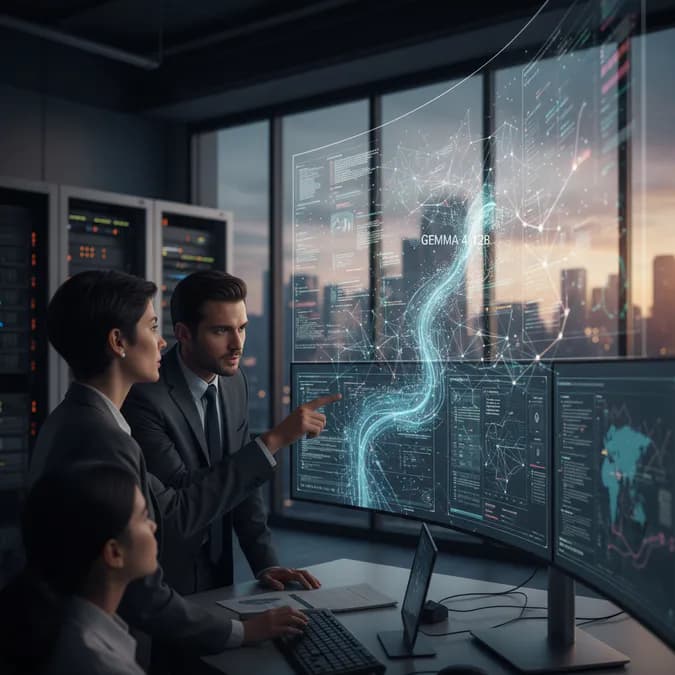
Virtual production is revolutionizing how films are made. The use of LED volumes allows filmmakers to create realistic environments in real-time, reducing the need for extensive post-production work. This technology not only saves time and money but also provides greater creative control on set. According to Automated Pipeline, virtual production is a key trend in 2025, enabling filmmakers to visualize scenes as they are being shot.
- LED Volumes: Creating immersive environments in real-time.
- Real-time Visualization: Allowing directors and actors to see the final scene during filming.
- Reduced Post-Production Costs: Minimizing the need for extensive CGI and visual effects.
AI's Expanding Role in Filmmaking
Artificial intelligence is making significant inroads into various aspects of filmmaking, from scriptwriting to editing. AI tools can analyze audience data to refine storytelling, enhance CGI with more lifelike animations, and automate editing processes for faster, more efficient workflows. Boiling Point Media analysts predict that AI will play a crucial role in streamlining production and enhancing creative possibilities.
AI-Powered Scriptwriting
AI algorithms can assist in generating story ideas, developing characters, and even writing entire scripts. While the idea of AI fully replacing human writers is still debated, AI can serve as a powerful tool for brainstorming and overcoming writer's block.
AI-Assisted Editing
AI can automate many of the repetitive tasks involved in video editing, such as cutting footage, syncing audio, and color correction. This allows editors to focus on the more creative aspects of their work, resulting in higher-quality films produced in less time.
Sustainable Practices in Cinema
As environmental concerns grow, the film industry is increasingly adopting sustainable practices. This includes using renewable energy on set, reducing waste, and utilizing eco-friendly materials. Sustainable filmmaking is not only ethically responsible but also makes economic sense, as it can lead to cost savings in the long run.
- Renewable Energy: Powering film sets with solar and wind energy.
- Waste Reduction: Implementing recycling programs and reducing single-use plastics.
- Eco-Friendly Materials: Using sustainable materials for set construction and costumes.
The Rise of Independent Filmmakers
Independent filmmakers are gaining more power and influence in the industry. Affordable technology, expanded tax credits, and the rise of streaming platforms have created new opportunities for independent creators to showcase their work and reach a wider audience. According to Showbizing, US states are expanding tax credits for indie films, providing crucial financial support for independent productions. New York, for example, has expanded its tax credit programs to $800 million.
Tax Incentives
Many states and countries offer tax incentives to attract film productions. These incentives can significantly reduce the cost of filmmaking, making it more accessible to independent creators. Expanded tax credit programs in New York for 2025 are set to support independent films, totaling over $1.5 billion across key states [Source: Showbizing].
Streaming Platforms
Streaming services like Netflix, Amazon Prime Video, and Disney+ have revolutionized film distribution, providing independent filmmakers with a platform to reach a global audience. These platforms are also increasingly investing in original content, creating new opportunities for independent creators.
Future of Film Resolution and Production Techniques
8K resolution is becoming increasingly common in film production, offering stunning visual clarity and detail. While 4K is still the standard for many productions, 8K is poised to become the new benchmark for high-end filmmaking. Drones are also being used more frequently to capture aerial footage, providing unique perspectives and dynamic shots.
8K Resolution
8K resolution offers four times the resolution of 4K, resulting in sharper, more detailed images. This higher resolution is particularly beneficial for large-screen viewing and visual effects work.
Drone Cinematography
Drones provide filmmakers with the ability to capture aerial footage at a fraction of the cost of traditional helicopter shots. Drones can also access locations that are difficult or impossible to reach with conventional equipment, opening up new creative possibilities.
Key Takeaways
The filmmaking industry in 2025 is being shaped by technological advancements, sustainability, and the empowerment of independent creators. Virtual production, AI, and sustainable practices are becoming increasingly important, while 8K resolution and drone cinematography are pushing the boundaries of visual storytelling. These trends offer exciting opportunities for filmmakers to create innovative and impactful films.
- Virtual production with LED volumes reduces post-production costs and enables real-time scene visualization.
- AI tools analyze audience data for script refinement and automate editing for efficiency.
- Sustainable filmmaking adopts renewable energy and eco-materials as industry standards.
- Global film output reached 9,511 in 2023, with 2025 box office projected at over USD 34 billion.
- Independent filmmakers gain from expanded US tax credits totaling over $1.5 billion across key states.
Global film production reached 9,511 films in 2023, up 68% from the 2020 pandemic low and 2% over the 2019 peak, according to data from the World Intellectual Property Organization (WIPO). Projected global box office revenues for 2025 are estimated at USD 34 billion [Source: WIPO and Omdia].
According to Fabrik Editorial Team, "2025 has been a landmark year for filmmakers—not because of one seismic shift, but because of several subtle, rapid, and deeply interconnected evolutions." This highlights the importance of staying informed about filmmaking trends to remain competitive in the industry.
In conclusion, the convergence of these trends points towards a future where filmmaking is more accessible, sustainable, and technologically advanced. Independent creators are empowered to tell their stories, and audiences can expect to see more visually stunning and emotionally resonant films in the years to come.
Frequently Asked Questions
What are the key filmmaking trends for 2025?
The key filmmaking trends for 2025 include virtual production, AI integration, sustainable practices, and the rise of independent filmmakers.
How is AI changing filmmaking?
AI is changing filmmaking by automating editing processes, assisting in scriptwriting, and analyzing audience data to refine storytelling.
Why is sustainability important in filmmaking?
Sustainability is important in filmmaking as it reduces environmental impact and can lead to cost savings through the use of renewable energy and eco-friendly materials.
What role do independent filmmakers play in 2025?
Independent filmmakers are gaining more influence due to affordable technology and expanded tax credits, allowing them to reach wider audiences through streaming platforms.
What advancements are being made in film resolution?
Advancements in film resolution include the increasing adoption of 8K resolution and the use of drones for aerial cinematography, enhancing visual storytelling.