Understanding Professional Hybrid Video Cameras

The landscape of professional video production has undergone a dramatic transformation over the past few years. Today's hybrid video cameras represent a convergence of still photography excellence and cinematic video capabilities, making them indispensable tools for modern creators. Whether you're a documentary filmmaker, commercial producer, or content creator, understanding the capabilities of current-generation hybrid video cameras is essential for making informed equipment decisions.
Industry research indicates that hybrid video cameras have fundamentally changed how professionals approach production. These mirrorless systems combine the portability and versatility of still cameras with professional-grade video features that rival dedicated cinema cameras. The 2026 generation of these cameras pushes the boundaries even further, offering unprecedented combinations of image quality, codec flexibility, and intelligent autofocus systems that deliver up to 8 stops of stabilization and 14+ stops of dynamic range.
What Defines Professional Hybrid Video Cameras
Professional hybrid video cameras are mirrorless systems designed to excel in both still photography and video production. Unlike traditional cinema cameras that prioritize video exclusively, these hybrid systems maintain robust still-image capabilities while delivering broadcast and theatrical-quality video output. This dual functionality makes them particularly valuable for pro
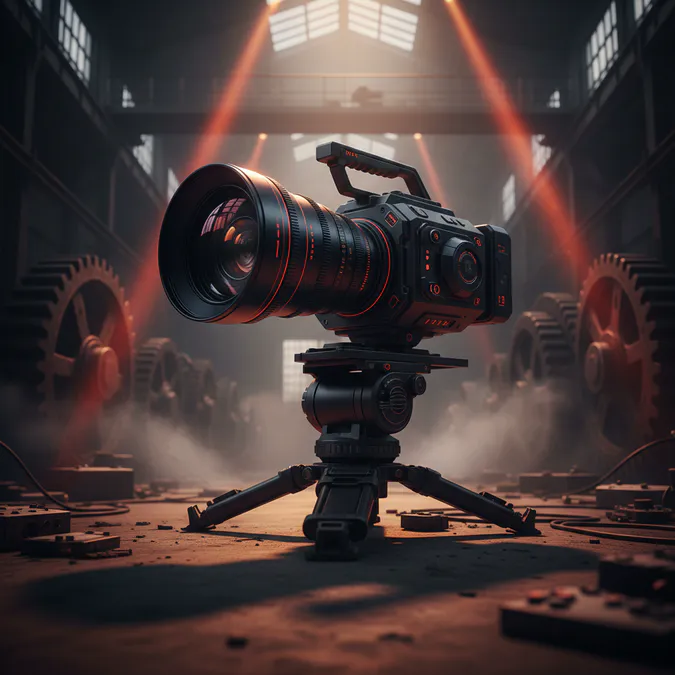
The defining characteristics of professional hybrid video cameras include:
- Cinema-quality video output with 4K and higher resolution options
- Advanced color science and professional color grading capabilities
- Multiple codec options for different production workflows
- Professional autofocus systems with subject tracking
- Robust build quality and weather sealing
- Extensive connectivity options for professional workflows
- High frame rate capabilities for slow-motion work
- Professional audio inputs and monitoring
Cinema-Quality Footage and Resolution Standards
One of the most significant advances in hybrid video cameras is their ability to deliver cinema-quality footage that meets professional broadcast and theatrical standards. Modern hybrid systems now offer 4K recording as a baseline, with many supporting 6K and even 8K capture options. This resolution headroom provides flexibility in post-production, allowing for reframing, stabilization, and creative cropping without sacrificing image quality.
The quality of the image sensor directly impacts the visual characteristics of recorded footage. Professional hybrid video cameras employ large sensors—typically full-frame or larger—that provide exceptional low-light performance, dynamic range, and color fidelity. These sensors capture footage with the cinematic look that productions demand, featuring smooth gradations, natural skin tones, and rich color reproduction that exceeds 14 stops of dynamic range in many current models.
Advanced Codec Technology and Workflow Flexibility
Codec selection has become increasingly important in professional video production. The 2026 generation of hybrid video cameras offers multiple codec options to accommodate different production workflows and post-production requirements. Professional codecs like ProRes RAW, H.265, and proprietary manufacturer formats provide varying levels of compression and quality preservation.
Advanced codecs offer several advantages for professional workflows:
- Reduced file sizes without compromising quality
- Faster rendering and playback in post-production
- Better color grading flexibility
- Compatibility with various editing platforms
- Efficient storage and archival capabilities
- Professional-grade color information preservation
The flexibility to choose between different codecs allows productions to optimize their workflow based on specific project requirements, budget constraints, and post-production capabilities. Some projects may benefit from the efficiency of H.265, while others require the maximum flexibility of RAW formats. Studies show that proper codec selection can reduce post-production time by up to 30% while maintaining broadcast-quality output.
Pro-Level Autofocus Systems
Autofocus technology has evolved dramatically, and modern hybrid video cameras now feature autofocus systems that rival or exceed the capabilities of dedicated cinema cameras. These systems utilize advanced algorithms, phase-detection sensors, and artificial intelligence to track subjects with remarkable accuracy and speed.
Professional autofocus capabilities include:
- Real-time subject tracking with AI-powered recognition
- Eye and face detection for interviews and dialogue
- Animal and vehicle tracking for wildlife and automotive content
- Smooth focus transitions without hunting or breathing
- Manual focus override for creative control
- Focus peaking and magnification for precision work
- Customizable autofocus zones and sensitivity settings
These advanced autofocus systems dramatically improve production efficiency, particularly for documentary work, interviews, and fast-paced content creation. The ability to maintain sharp focus on moving subjects without manual intervention reduces the need for focus pullers and allows smaller crews to achieve professional results. Research indicates that AI-powered autofocus systems can maintain subject tracking accuracy above 95% even in challenging lighting conditions.
Still Photography Excellence Without Compromise
Unlike dedicated cinema cameras, professional hybrid video cameras maintain exceptional still photography capabilities. This dual functionality proves invaluable for productions that require both motion and still content. The same sensor and lens system that captures stunning video also produces high-resolution still images suitable for promotional materials, press releases, and social media content.
The integration of still and video capabilities means productions can:
- Capture behind-the-scenes stills during video shoots
- Generate promotional imagery from the same equipment
- Reduce the need for separate camera systems
- Maintain consistent color science across stills and video
- Leverage the same lens ecosystem for both formats
This versatility makes hybrid video cameras particularly cost-effective for independent producers and smaller production companies that need to maximize equipment value. Industry data suggests that productions using hybrid systems can reduce equipment costs by 40-60% compared to maintaining separate still and video camera packages.
Key Features of 2026 Professional Hybrid Video Cameras
The current generation of professional hybrid video cameras incorporates several cutting-edge features that enhance production capabilities:
Enhanced Stabilization
In-body image stabilization has become more sophisticated, with some systems offering up to 8 stops of compensation. This allows handheld shooting in conditions that previously required tripods or gimbals, enabling more dynamic and spontaneous filming approaches.
Extended Dynamic Range
Modern sensors capture exceptional dynamic range, often exceeding 14 stops. This provides tremendous flexibility in post-production color grading and allows shooting in challenging lighting conditions without losing detail in highlights or shadows.
High Frame Rate Recording
Professional hybrid video cameras now support high frame rate recording at 4K resolution, enabling slow-motion effects without sacrificing resolution. Many models offer 120fps at 4K and up to 240fps at 1080p for creative slow-motion work.
Professional Connectivity
USB-C, HDMI 2.1, and SDI outputs provide seamless integration with professional workflows and external recording devices. These connections support high-bandwidth data transfer for uncompressed video output and remote camera control.
Advanced Metering
Sophisticated metering systems with zone-based exposure control ensure proper exposure in complex lighting situations. Multi-zone metering analyzes hundreds of points across the frame for accurate exposure decisions.
Robust Build Quality
Weather sealing, magnesium alloy construction, and professional-grade materials ensure reliability in demanding production environments. Many current models are rated for operation in temperatures ranging from -10°C to 40°C with dust and moisture resistance.
Selecting the Right Hybrid Video Cameras for Your Needs
Choosing professional hybrid video cameras requires careful consideration of your specific production requirements. Different cameras excel in different areas, and the best choice depends on your primary use case, budget, and workflow preferences.
Consider these factors when evaluating hybrid video cameras:
- Primary use case (documentary, commercial, narrative, etc.)
- Resolution and frame rate requirements
- Codec preferences and post-production workflow
- Lens ecosystem and availability
- Budget constraints
- Ergonomics and handling preferences
- Autofocus requirements
- Audio input options
- Connectivity needs
For more guidance on camera selection, explore our comprehensive camera buying guide and video production equipment recommendations. These resources provide detailed comparisons and real-world testing results to help you make informed decisions.
The Investment in Professional Hybrid Video Cameras
Professional hybrid video cameras represent a significant investment, but the return on investment can be substantial. By combining still and video capabilities in a single system, productions reduce equipment costs while gaining flexibility and efficiency. The ability to deliver cinema-quality footage without the expense of dedicated cinema cameras makes hybrid systems particularly attractive for independent producers and boutique production companies.
The 2026 generation of hybrid video cameras offers exceptional value, with features that were previously available only in much more expensive dedicated cinema systems. This democratization of professional video technology has enabled a new generation of creators to produce broadcast and theatrical-quality content. According to industry analysis, the total cost of ownership for hybrid systems is typically 50-70% lower than equivalent dedicated cinema camera packages when factoring in lenses, accessories, and workflow integration.
The Future of Hybrid Video Production
As technology continues to advance, hybrid video cameras will likely become even more capable. Emerging technologies like AI-powered color grading, real-time rendering, and advanced stabilization promise to further enhance production capabilities. The convergence of still and video technology appears to be the future of professional imaging, with hybrid systems becoming the standard rather than the exception.
Professional hybrid video cameras have fundamentally changed the landscape of video production. By combining cinema-quality video capabilities with professional still photography, these systems offer unprecedented versatility and value. The 2026 generation represents the pinnacle of this technology, offering features and performance that enable creators to produce exceptional content across multiple formats and applications. For additional insights on maximizing your hybrid camera workflow, visit authoritative resources like DPReview and Cinema5D for comprehensive reviews and technical analysis.
Table of Contents
- Understanding Professional Hybrid Video Cameras
- What Defines Professional Hybrid Video Cameras
- Cinema-Quality Footage and Resolution Standards
- Advanced Codec Technology and Workflow Flexibility
- Pro-Level Autofocus Systems
- Still Photography Excellence Without Compromise
- Key Features of 2026 Professional Hybrid Video Cameras
- Selecting the Right Hybrid Video Cameras for Your Needs
- The Investment in Professional Hybrid Video Cameras
- The Future of Hybrid Video Production
- Key Takeaways
- Frequently Asked Questions
Key Takeaways
- Hybrid video cameras combine still photography and professional video capabilities in a single versatile system.
- They offer cinema-quality footage with advanced features including 8K resolution, 14+ stops of dynamic range, and AI-powered autofocus.
- Choosing the right hybrid video cameras depends on specific production needs, workflow requirements, and budget considerations.
- Investing in hybrid systems can reduce equipment costs by 40-60% while improving production efficiency and flexibility.
- The future of video production lies in the continued evolution of hybrid technology with AI integration and enhanced stabilization.
Frequently Asked Questions (FAQ)
What are hybrid video cameras?
Hybrid video cameras are versatile mirrorless devices that combine the features of still photography and video recording, allowing creators to capture high-quality images and cinema-grade footage with a single system. They typically feature large sensors, professional codecs, and advanced autofocus systems.
Why should I choose hybrid video cameras over dedicated cinema cameras?
Choosing hybrid video cameras allows for flexibility in production, as they can handle both stills and video seamlessly, making them ideal for projects that require both formats. They also reduce equipment costs by 40-60% compared to maintaining separate camera systems while delivering comparable video quality.
What features should I look for in hybrid video cameras?
Look for features such as 4K or higher resolution options, AI-powered autofocus capabilities, professional codec support (ProRes RAW, H.265), in-body stabilization of 5+ stops, extended dynamic range, and robust build quality to ensure the camera meets your production needs.
Are hybrid video cameras suitable for professional broadcast use?
Yes, many hybrid video cameras are designed for professional broadcast use, offering features and performance that meet industry standards. Current models deliver 14+ stops of dynamic range, professional color science, and codec options that satisfy broadcast and theatrical requirements.
How do I maintain my hybrid video cameras?
Regular maintenance includes cleaning the lens and sensor, checking for firmware updates, ensuring proper storage in climate-controlled environments, and protecting against dust and moisture to extend the life of your hybrid video cameras. Professional servicing every 12-18 months is recommended for heavy use.