Table of Contents
- Blackmagic Live Production Camera: Revolutionizing Apple Integration
- Understanding Live Production Camera Technology
- Key Features and Specifications
- The Broader Industry Context
- Implications for Content Creators and Broadcasters
- Technical Integration Advantages
- The Evolution of Professional Video Equipment
- Competitive Landscape and Market Positioning
- Future Implications and Industry Trends
- What This Means for Your Production Workflow
- Key Takeaways
- FAQ
Blackmagic Live Production Camera: Revolutionizing Apple Integration
The video production landscape continues to evolve at a rapid pace, with manufacturers pushing the boundaries of what's possible in live broadcasting and content creation. At NAB Show 2026, Blackmagic Design announced a significant addition to its camera lineup: a new live production camera specifically designed for Apple integration. This development marks an important moment in the industr
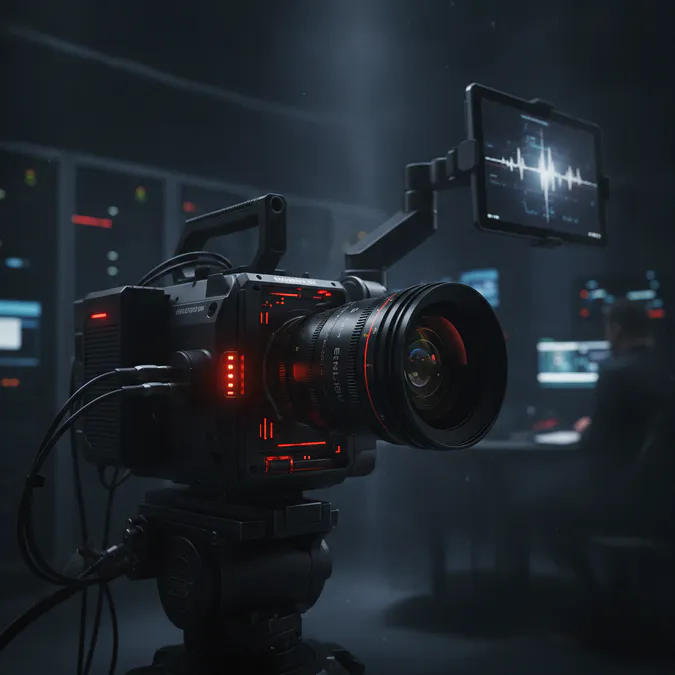
Blackmagic Design has long been recognized as an innovator in video technology, delivering professional-grade cameras and production tools at accessible price points. The announcement of a live production camera tailored for Apple environments demonstrates the company's commitment to meeting the evolving needs of modern broadcasters, streaming platforms, and independent content creators who rely on Apple's ecosystem for their production workflows.
Understanding Live Production Camera Technology
Live production cameras represent a critical component of modern broadcasting infrastructure. Unlike traditional cinema cameras designed primarily for post-production workflows, live production cameras are engineered specifically for real-time broadcasting, streaming, and live event coverage. These cameras must deliver consistent image quality, reliable connectivity, and seamless integration with control systems and distribution platforms.
The integration of live production cameras with specific operating systems and software ecosystems has become increasingly important. Content creators and broadcasters often build their entire workflow around a particular platform, making native compatibility a significant factor in equipment selection. Blackmagic's decision to develop a camera specifically optimized for Apple integration addresses this market need directly.
Key Features and Specifications
While specific technical details continue to emerge following the NAB Show 2026 announcement, the live production camera is expected to incorporate Blackmagic's signature design philosophy: professional capabilities combined with intuitive interfaces and competitive pricing. The camera is likely to feature:
- Native Apple Integration: Seamless connectivity with Mac-based production systems, allowing for simplified workflow integration and reduced setup complexity. This compatibility extends to professional software applications commonly used in broadcast environments.
- Advanced Image Processing: Blackmagic's reputation for delivering exceptional image quality suggests the new camera will incorporate sophisticated color science and sensor technology optimized for live broadcast applications.
- Reliable Connectivity Options: Multiple connection protocols to ensure stable signal transmission during live events, critical for broadcast reliability and professional applications.
- User-Friendly Interface: Blackmagic's design philosophy emphasizes accessibility without sacrificing professional functionality, making the camera suitable for both experienced broadcast professionals and emerging content creators.
The Broader Industry Context
The announcement of Blackmagic's live production camera arrives amid significant activity in the professional video equipment sector. Sony's simultaneous announcement of new cameras and virtual production tools at NAB 2026 underscores the competitive nature of the market and the rapid pace of innovation in video technology.
Virtual production has emerged as a transformative technology in recent years, enabling content creators to produce complex scenes in controlled environments rather than on location. The integration of virtual production capabilities with live camera systems represents the next frontier in broadcast technology, allowing for more dynamic, flexible, and cost-effective production workflows.
Implications for Content Creators and Broadcasters
The introduction of a live production camera optimized for Apple ecosystems carries significant implications for various stakeholder groups:
- Independent Content Creators: Streamers, podcasters, and independent producers who have invested in Apple-based production systems gain access to professional-grade camera technology that integrates seamlessly with their existing infrastructure. This reduces the complexity of equipment selection and system integration.
- Broadcast Facilities: Television stations and broadcast networks increasingly operate hybrid workflows combining traditional broadcast infrastructure with modern digital systems. A camera designed for Apple integration provides flexibility in system architecture and simplifies technical operations.
- Streaming Platforms: As streaming services continue to invest in original content production, access to professional cameras optimized for modern computing ecosystems becomes increasingly valuable. The ability to integrate camera systems with cloud-based workflows and real-time distribution platforms enhances production efficiency.
- Educational Institutions: Film schools, broadcasting programs, and media education centers benefit from access to professional-grade equipment that aligns with the computing environments students are likely to encounter in their careers.
Technical Integration Advantages
Optimizing camera systems for specific computing ecosystems offers tangible technical advantages beyond simple convenience. Native integration typically results in:
- Reduced Latency: Direct communication between camera and control systems minimizes processing delays, critical for live broadcast applications where timing is essential.
- Simplified Workflow: Eliminating compatibility layers and translation protocols streamlines the production process, reducing setup time and potential points of failure.
- Enhanced Control: Native integration typically provides more granular control over camera parameters, allowing operators to fine-tune settings in real-time during live broadcasts.
- Improved Reliability: Systems designed specifically for particular platforms often demonstrate greater stability and fewer unexpected compatibility issues.
The Evolution of Professional Video Equipment
The trajectory of professional video equipment development reveals a clear trend toward ecosystem integration and user-centric design. Historically, professional broadcast equipment operated as standalone systems, with integration achieved through standardized protocols and external control systems. Modern approaches increasingly emphasize native integration with computing platforms, reflecting the reality that most production workflows now involve significant software components.
Blackmagic's approach aligns with this broader industry evolution. By designing cameras specifically for Apple integration, the company acknowledges that modern production workflows are fundamentally different from those of previous decades. Content creators expect their equipment to work seamlessly with their computing environment, not in spite of it.
Competitive Landscape and Market Positioning
The announcement of Blackmagic's live production camera occurs within a competitive market featuring established players like Sony, Canon, and Panasonic, alongside emerging manufacturers. Each company pursues different strategies to capture market share and meet diverse customer needs.
Blackmagic's traditional strength lies in delivering professional capabilities at competitive price points, making professional-grade equipment accessible to a broader range of creators and organizations. The new live production camera appears to follow this established strategy, combining professional functionality with the accessibility that has defined the company's market position.
Sony's simultaneous announcement of new cameras and virtual production tools suggests a different strategic approach, emphasizing comprehensive ecosystem development and integration of multiple technologies. Both strategies reflect valid approaches to serving the evolving needs of the professional video production market.
Future Implications and Industry Trends
The introduction of ecosystem-optimized cameras suggests several important trends likely to shape the professional video equipment market in coming years:
- Increasing Platform Specialization: Manufacturers will likely develop cameras and systems optimized for different computing ecosystems, recognizing that one-size-fits-all approaches no longer serve diverse market needs.
- Deeper Software Integration: The line between hardware and software will continue to blur, with camera systems increasingly functioning as integrated components of comprehensive production platforms.
- Cloud-Based Workflows: As internet infrastructure improves and cloud services mature, camera systems will increasingly integrate with cloud-based production and distribution platforms.
- Artificial Intelligence Integration: AI-powered features for automatic scene analysis, color correction, and content optimization will become standard in professional camera systems.
What This Means for Your Production Workflow
If you operate within an Apple-based production environment, the introduction of a live production camera specifically optimized for this ecosystem offers meaningful advantages. Native integration simplifies system architecture, reduces setup complexity, and provides more intuitive control over camera parameters during live broadcasts.
For organizations considering equipment investments, the expanding range of ecosystem-optimized options means you can select cameras and systems that align with your existing infrastructure and technical preferences, rather than forcing your workflow to accommodate equipment designed for different platforms.
Key Takeaways
Blackmagic Design's announcement of a live production camera optimized for Apple integration represents a significant development in professional video technology. By recognizing the importance of ecosystem compatibility and designing equipment specifically for Apple-based workflows, Blackmagic addresses a genuine market need and reinforces its position as an innovator in accessible professional video equipment.
As the professional video production industry continues to evolve, we can expect to see increasing emphasis on ecosystem integration, seamless software-hardware interaction, and user-centric design. The new Blackmagic live production camera exemplifies these trends and suggests an exciting future for content creators and broadcasters who demand professional capabilities integrated with modern computing environments.
FAQ
What is a live production camera?
A live production camera is designed for real-time broadcasting and streaming, offering features that support live event coverage.
How does the Blackmagic live production camera integrate with Apple?
The Blackmagic live production camera offers native integration with Mac-based production systems, simplifying workflows for users in the Apple ecosystem.
What are the benefits of using a live production camera?
Benefits include enhanced image quality, reliable connectivity, and user-friendly interfaces that cater to both professionals and beginners.
For further reading on live production cameras, consider checking authoritative sources like Blackmagic Design and Sony Cameras.