
The Milano Cortina 2026 Winter Olympics are poised to showcase a revolution in sports broadcasting, driven by advancements in camera technology. The use of Super 35mm and full-frame cinema cameras, coupled with AI-driven replays and FPV drones, promises to redefine how viewers experience the Games. This event marks a significant shift towards cinematic live workflows and cloud-based production, enhancing the viewer experience and setting new standards for future Olympic broadcasts.
Introduction: The Future of Olympic Broadcasting
The Milano Cortina 2026 Winter Olympics, scheduled from February 6-22, 2026, represent a watershed moment in the evolution of sports broadcasting. With the deployment of over 800 cameras and 1800 microphones, the Olympic Broadcasting Services (OBS) aims to produce 6500 hours of content across 44 HD/UHD feeds and 1500 multilaterals. This event will showcase cutting-edge technologies, including Su
Advancements in Camera Technology: Super 35mm and Full-Frame Cameras
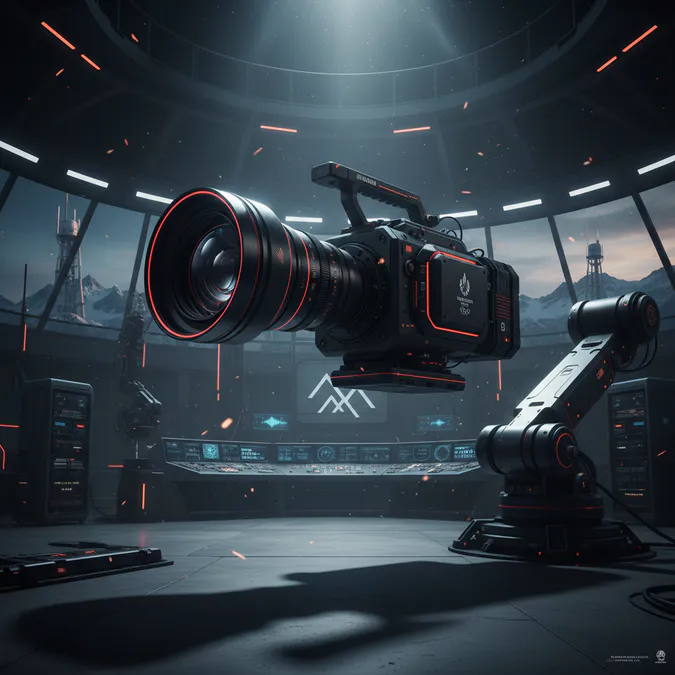
One of the most notable advancements in broadcasting for the Milano Cortina 2026 Olympics is the increased use of Super 35mm and full-frame cinema cameras. Traditionally relegated to film production, these cameras are now being integrated into live sports broadcasting to deliver a more cinematic look and feel. This shift is driven by the desire to enhance the visual quality of the broadcast and provide viewers with a more immersive experience.
The deployment of over 800 cameras across the venues ensures comprehensive coverage of every event [Source: Viaccess-Orca Blog]. These cameras, including models from Sony Professional, are capable of capturing high-resolution footage with exceptional dynamic range and color accuracy. NBC Sports, for example, will be using more than 100 cameras from Sony that support HDR and high frame rates, enabling enhanced storytelling and deeper analysis [Source: NBC Sports Press Release].
Cinematic Live Workflows: Enhancing the Viewer Experience
The integration of cinematic live workflows is a key element in enhancing the viewer experience at the Milano Cortina 2026 Olympics. This approach involves using techniques and technologies traditionally associated with film production to create a more visually appealing and engaging broadcast. The use of Super 35mm and full-frame cinema cameras, combined with advanced color grading and post-production techniques, allows broadcasters to deliver a more polished and cinematic look.
Furthermore, the adoption of cloud-based and IP-based remote production workflows is enabling greater flexibility and efficiency in the broadcasting process. According to the Viaccess-Orca Blog, 50–60% of the coverage will be delivered remotely via cloud and IP-based systems. This approach not only reduces the amount of physical infrastructure required on-site but also allows for greater collaboration and resource sharing among broadcasters.
AI Replays: Revolutionizing Sports Analysis
Artificial intelligence (AI) is playing an increasingly important role in sports broadcasting, and the Milano Cortina 2026 Olympics will showcase the latest advancements in this area. AI-driven replays are being used to provide viewers with instant and insightful analysis of key moments in the competition. These replays can automatically identify and highlight critical plays, providing viewers with a deeper understanding of the action.
In addition to enhancing the viewing experience, AI is also being used to improve the efficiency of the broadcasting process. For example, AI-powered systems can automatically generate highlights packages and summaries of events, reducing the amount of manual effort required by production teams. Samsung's Galaxy AI is also being utilized to enhance replays and provide multilingual communication [Source: youtube.com].
FPV Drones: Capturing Unique Perspectives
First-person view (FPV) drones are another exciting addition to the broadcasting toolkit for the Milano Cortina 2026 Olympics. These drones allow broadcasters to capture unique and dynamic perspectives of the events, providing viewers with a more immersive and engaging experience. FPV drones can fly through venues, alongside athletes, and over scenic landscapes, offering a level of visual excitement that traditional cameras cannot match.
The use of FPV drones requires skilled pilots and careful planning to ensure the safety of athletes and spectators. However, the potential benefits in terms of enhanced visual storytelling are significant. The Samsung x Milano Cortina 2026 YouTube Video highlights the revolutionary way the opening ceremony was covered with the support of Samsung, showcasing the potential of such technology [Source: youtube.com].
Impact on Sports Broadcasting Industry
The technological innovations at the Milano Cortina 2026 Olympics are expected to have a significant impact on the sports broadcasting industry. The shift towards cinematic live workflows, cloud-based production, AI-driven replays, and FPV drones is likely to become more widespread in the years to come. These technologies offer the potential to enhance the viewing experience, improve the efficiency of the broadcasting process, and create new opportunities for storytelling.
The Sports Video Group reports that the International Broadcast Center (IBC) for Milano Cortina 2026 has a 20% smaller footprint than Beijing 2022, demonstrating a commitment to efficiency and sustainability. The use of 100G fiber networks connecting venues to the IBC further underscores the importance of robust and scalable network infrastructure [Source: Sports Video Group]. According to the Viaccess-Orca Blog, the Olympic Broadcast Services (OBS) emphasizes that as broadcast operations become more complex and data-intensive, the network infrastructure must scale accordingly.
Conclusion: A New Era for the Olympics
The Milano Cortina 2026 Winter Olympics are set to usher in a new era for sports broadcasting. The integration of advanced camera technology, cinematic live workflows, AI-driven replays, and FPV drones promises to deliver a more immersive, engaging, and insightful viewing experience. These innovations not only enhance the quality of the broadcast but also improve the efficiency and sustainability of the broadcasting process. As the sports broadcasting industry continues to evolve, the lessons learned from Milano Cortina 2026 will undoubtedly shape the future of Olympic broadcasts and beyond.
Key Takeaways
- The Milano Cortina 2026 Olympics will utilize over 800 cameras and 1800 microphones for comprehensive coverage.
- Advanced camera technology, including Super 35mm and full-frame cameras, will enhance the visual quality of broadcasts.
- AI-driven replays will provide viewers with instant analysis of key moments in competitions.
- FPV drones will capture unique perspectives, enhancing the overall viewing experience.
- The shift towards cloud-based production will improve efficiency and sustainability in broadcasting.
Sources
- Automated Pipeline
- Behind the Scenes of Broadcasting the 2026 Winter Olympics
- NBC Sports Selects Imaging and Broadcast Technology Provider for 2026 Milan Cortina Winter Olympics
- Inside the 2026 Milano Cortina IBC: How Tech Makes a Difference
- Olympic Broadcasting Services (OBS) Official Site
- Sony Professional Broadcast Cameras
- Source: youtube.com