
Introduction: Evolution of Olympic Broadcasting Technology
The Milano Cortina 2026 Winter Olympics, taking place from February 6-22, 2026, marks a significant milestone in the evolution of Olympic broadcasting technology. With the integration of advanced camera technology, the event aims to provide a viewing experience that rivals Hollywood productions. The shift from traditional sports cameras to Super 35mm and full-frame cinema cameras is set to en
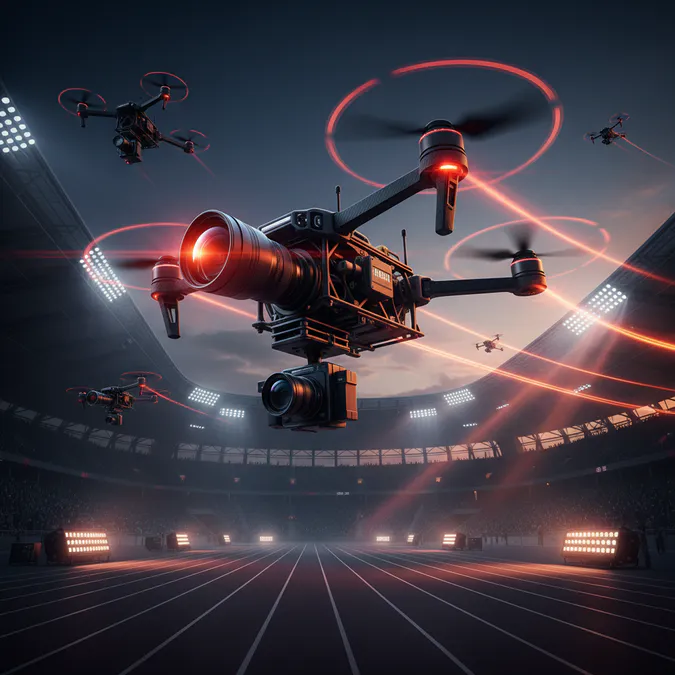
Cinema Camera Integration in Sports Broadcasting
Historically, sports broadcasting has relied on standard broadcast cameras, which often lack the depth and cinematic quality that audiences have come to expect. The introduction of Super 35mm and full-frame cinema cameras at Milano Cortina 2026 signifies a departure from these limitations. These cameras are renowned for their ability to capture high-resolution imagery with stunning depth of field, allowing for a more immersive viewing experience.
- Super 35mm Cameras: Known for their versatility and cinematic quality.
- Full-Frame Cinema Cameras: Offer superior low-light performance and dynamic range.
This integration not only enhances the aesthetic quality of the broadcasts but also aligns with the expectations of modern viewers who seek high production values in sports coverage.
The 810-Camera Deployment Strategy
The Olympic Broadcasting Services (OBS) is deploying a staggering 810 cameras across various venues in Milano Cortina. This extensive camera setup is designed to provide comprehensive coverage of the events, ensuring that no moment goes unseen. The strategic placement of these cameras will facilitate a cinematic live workflow, allowing for dynamic angles and perspectives that were previously unattainable.
Key statistics regarding the camera deployment include:
- 810 Cameras: Total cameras deployed for comprehensive coverage.
- 15 FPV Drones: Used to capture high-speed events and dynamic angles.
AI-Powered Replay Systems and Real-Time Analysis
One of the most exciting innovations at Milano Cortina 2026 is the integration of AI-powered replay systems. These systems are designed to automate the generation of highlight reels, significantly streamlining the production process. By analyzing footage in real-time, the AI can identify key moments and generate instant replays, enhancing the viewer experience.
This technology not only saves time for production teams but also ensures that audiences receive timely highlights, keeping them engaged throughout the event.
FPV Drone Technology and New Perspectives
FPV drones are set to revolutionize the way audiences experience Olympic events. With the ability to fly at speeds of up to 75 mph, these drones provide unprecedented perspectives, particularly in fast-paced sports like Alpine skiing and luge. Each drone requires a dedicated pilot, spotter, and technician to ensure safe operation and compelling coverage.
Key features of FPV drone technology include:
- Speed: Capable of following athletes at speeds exceeding 70 mph.
- Agility: Weighing less than a pound, these drones can maneuver quickly to capture dynamic shots.
As noted by Mike Tirico, NBC Sports Host, "The tech is pretty amazing. Some of the drones weigh less than a pound and they can keep up with athletes going over 70 mph" [NBC Sports].
Cinematic Live Workflow Implementation
The combination of advanced camera technology and AI systems enables a cinematic live workflow that enhances the overall production quality. This workflow allows for seamless transitions between different camera angles and perspectives, creating a more engaging narrative for viewers. The integration of these technologies is a testament to the commitment of the IOC and OBS to push the boundaries of Olympic broadcasting technology.
Impact on Viewer Experience and Production Quality
The innovations being implemented at Milano Cortina 2026 are set to significantly enhance the viewer experience. By providing high-quality visuals and dynamic storytelling, audiences can expect a more immersive and engaging experience. Pierre Ducrey, the International Olympic Committee Sports Director, emphasized this evolution, stating, "We look at this as an evolution of the sport. The expectation today is to have this kind of experience when you consume a sports event, even more so for the Olympic Games" [NBC Olympics].
Technical Challenges and Solutions
While the advancements in camera technology and AI systems promise to enhance the Olympics, they also present technical challenges. Ensuring the reliability and safety of FPV drones, managing the extensive camera setup, and integrating AI systems into the live broadcast workflow are significant hurdles that need to be addressed.
To overcome these challenges, OBS has implemented rigorous training for drone operators and technicians, ensuring that all personnel are equipped to handle the complexities of the new technology.
Future Implications for Sports Broadcasting
The innovations seen at Milano Cortina 2026 are likely to set new standards for future Olympic Games and sports broadcasting as a whole. The successful integration of cinematic cameras, AI technology, and FPV drones could pave the way for similar advancements in other sporting events, enhancing the overall quality of broadcasts and viewer engagement.
As technology continues to evolve, the expectations of viewers will also rise, pushing broadcasters to continually innovate and improve their offerings.
Key Takeaways
- The Milano Cortina 2026 Winter Olympics will showcase revolutionary Olympic broadcasting technology.
- Advanced camera systems, including Super 35mm and full-frame cameras, will enhance visual storytelling.
- AI-powered replay systems will streamline production and improve viewer engagement.
- FPV drones will provide dynamic perspectives, transforming the viewing experience.
- These innovations set a new benchmark for future sports broadcasting.
FAQ
What is Olympic broadcasting technology?
Olympic broadcasting technology refers to the advanced systems and equipment used to capture and transmit Olympic events to viewers worldwide, including camera technology, AI systems, and drone technology.
How will Milano Cortina 2026 change sports broadcasting?
Milano Cortina 2026 will change sports broadcasting by integrating high-quality camera systems, AI-powered replays, and FPV drones, enhancing the viewer experience and setting new production standards.
What are FPV drones?
FPV drones, or first-person view drones, are unmanned aerial vehicles that provide real-time video feedback to the pilot, allowing for dynamic and immersive coverage of sporting events.
What challenges does Olympic broadcasting face?
Challenges include ensuring the safety and reliability of drone operations, managing extensive camera setups, and integrating AI systems into live broadcasts.
Sources
- Automated Pipeline
- First-person-view drones transforming viewing experience at 2026 Milan Cortina Olympics
- How drones are giving fans unprecedented looks into the Milan Cortina 2026 Olympics
- Olympic Broadcasting Services Official Site - Milan Cortina 2026
- CineD - Milano Cortina 2026 Camera Technology Revolution