Virtual Production with LED Volumes
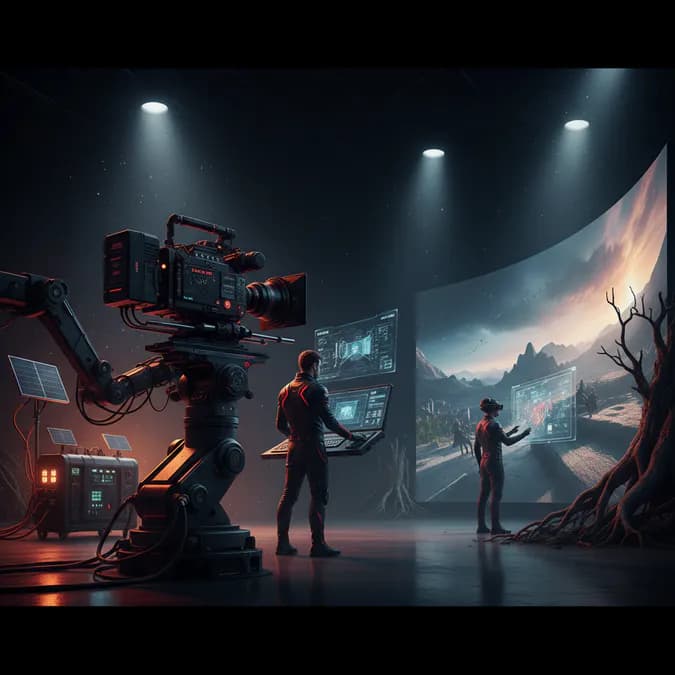
One of the most exciting filmmaking trends in 2025 is the use of virtual production techniques, particularly through the implementation of LED volumes. This technology allows filmmakers to create immersive environments in real-time, significantly reducing the need for extensive location shoots. By utilizing high-resolution LED panels, productions can simulate various settings, enhancing visual storytelling while minimizing costs and logistical challenges. Major productions, such as The Mandalorian, have already showcased the potential of this innovative approach. According to a report by the Verge, the use of LED technology in filmmaking has increased by over 50% since 2020, indicating a significant shift in industry standards.
AI in Scriptwriting and Editing
Artificial intelligence is revolutionizing the filmmaking process, particularly in scriptwriting and editing. AI tools can analyze vast amounts of data to identify successful narrative structures and character arcs, assisting writers in crafting compelling stories. Furthermore, AI-powered editing software can streamline post-production by automating tedious tasks, allowing editors to focus on the creative aspects of their work. This shift not only enhances efficiency but also opens new avenues for storytelling. A study by Forbes found that AI can reduce editing time by up to 30%, allowing filmmakers to produce content more rapidly.
Sustainable Filmmaking Practices
As environmental concerns become increasingly pressing, the film industry is adopting sustainable practices to minimize its ecological footprint. From using renewable energy sources on set to implementing waste reduction strategies, filmmakers are prioritizing sustainability. Initiatives such as the Green Production Guide provide resources for productions aiming to reduce their impact on the environment. According to the Green Production Guide, over 70% of filmmakers are now incorporating eco-friendly practices into their projects, reflecting a growing commitment to sustainability in the industry.
Extended Reality (XR) Storytelling
Extended reality, which encompasses virtual reality (VR), augmented reality (AR), and mixed reality (MR), is transforming how stories are told. XR allows audiences to engage with narratives in immersive ways, creating a more interactive experience. Filmmakers are increasingly exploring XR to enhance storytelling, offering viewers a chance to step into the world of the film and interact with characters and environments. A report from Statista predicts that the XR market will reach $300 billion by 2025, highlighting its potential impact on the filmmaking landscape.
Drone Technology in Filmmaking
Drones have become essential tools in modern filmmaking, providing unique aerial perspectives that were once difficult and costly to achieve. With advancements in drone technology, filmmakers can capture stunning visuals from various angles, enhancing the overall production value. The integration of drones into cinematography not only expands creative possibilities but also allows for more dynamic storytelling. According to a survey conducted by Cinematography.com, 85% of filmmakers reported that drone footage significantly improved their projects' visual appeal.
The Rise of 8K Resolution
As technology advances, so does the demand for higher resolution content. The emergence of 8K resolution is set to redefine visual standards in filmmaking. With four times the pixel count of 4K, 8K offers unparalleled clarity and detail, making it an attractive option for filmmakers aiming to deliver stunning visuals. As more cameras and displays support 8K, we can expect this trend to gain traction in the coming years. A recent study by TechRadar indicates that 8K televisions are projected to account for 30% of the global TV market by 2025, further driving the demand for high-resolution content.
Key Takeaways
- Filmmaking trends in 2025 include virtual production, AI, sustainability, XR, drone technology, and 8K resolution.
- Innovations like LED volumes and AI tools are enhancing storytelling and production efficiency.
- Sustainable practices are becoming a priority, with over 70% of filmmakers adopting eco-friendly methods.
- The XR market is expected to grow significantly, offering immersive storytelling experiences.
- Drone technology is revolutionizing cinematography, providing unique perspectives and dynamic visuals.
- The rise of 8K resolution is setting new standards for visual clarity in filmmaking.
Frequently Asked Questions
What are the key filmmaking trends for 2025?
The key filmmaking trends for 2025 include virtual production, AI in scriptwriting and editing, sustainable practices, extended reality storytelling, drone technology, and the rise of 8K resolution.
How is AI changing the filmmaking process?
AI is changing the filmmaking process by assisting in scriptwriting and editing, analyzing data to identify successful narrative structures, and automating post-production tasks to enhance efficiency.
Why are sustainable practices important in filmmaking?
Sustainable practices are important in filmmaking to minimize the industry's ecological footprint and address environmental concerns, with many filmmakers prioritizing eco-friendly methods in their productions.
In conclusion, the future of filmmaking is bright, with innovative technologies and practices paving the way for a new era of cinema. As filmmakers embrace virtual production, AI, sustainability, XR, drone technology, and 8K resolution, audiences can look forward to richer, more immersive storytelling experiences.