The Evolution of Professional Hybrid Video Cameras

The landscape of professional video production has undergone a dramatic transformation over the past few years. Today's hybrid video cameras represent a convergence of cutting-edge technology, offering filmmakers and content creators unprecedented capabilities in a single device. The best pro hybrid video cameras of 2026 combine cinema-quality footage, advanced codec support, and sophisticated autofocus systems that rival dedicated cinema cameras—all without compromising still photography performance.
What defines a professional hybrid video camera? These devices are engineered to excel in both video and photography, featuring full-frame sensors, high-resolution capabilities, and robust video specifications. Unlike traditional cinema cameras that prioritize video exclusively, hybrid cameras provide creative professionals with the flexibility to switch between mediums seamlessly, making them ideal for documentary filmmakers, wedding videographers, and content creators who need versatility.
Mirrorless Technology Advantages
Mirrorless camera systems have fundamentally changed how professionals approach video production. The elimination of mechanical mirrors allows manufacturers to design more compact bodies while incorporating advanced cooling systems and larger sensor areas dedicated to video processing. This architectural advantage has enabled the development of cameras that can handle extended recordi
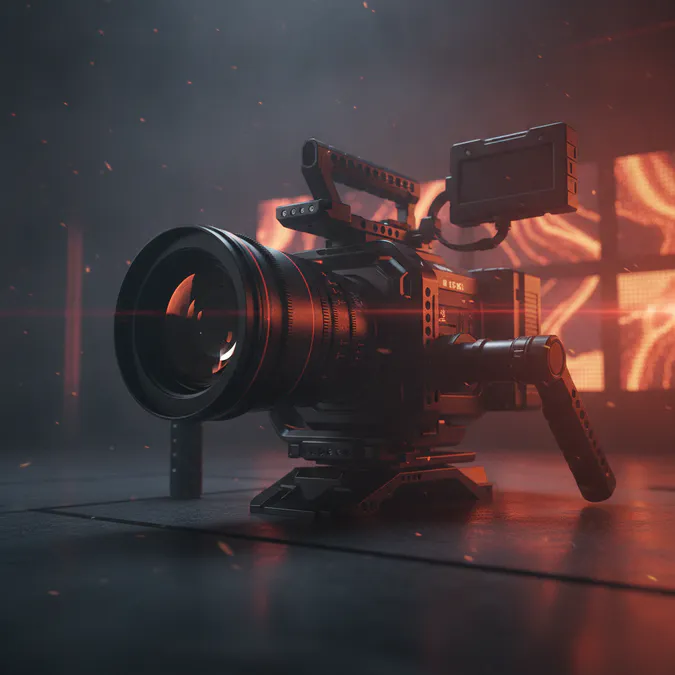
Modern mirrorless platforms now feature sophisticated autofocus systems specifically optimized for video work. These systems utilize phase-detection autofocus across the entire sensor, enabling smooth, continuous focus tracking during recording. The integration of machine learning algorithms allows cameras to recognize and prioritize subjects—whether human faces, eyes, or specific objects—maintaining focus even during complex camera movements.
Cinema-Quality Footage Capabilities
The term "cinema-quality" has become more than marketing language in 2026. Professional hybrid cameras now capture video at resolutions exceeding 8K, with frame rates that accommodate both traditional cinema standards and high-speed creative work. The ability to record in RAW formats provides post-production flexibility previously reserved for dedicated cinema cameras, allowing colorists to grade footage with minimal quality loss.
Dynamic range has become a critical specification for professional videographers. The best hybrid cameras of 2026 offer dynamic range exceeding 14 stops, capturing detail in both highlights and shadows that would have required extensive lighting setups just years ago. This expanded dynamic range reduces the need for complex lighting rigs, accelerating production timelines and reducing equipment costs.
Advanced Codec Support and Compression
Codec selection has become increasingly important as production workflows evolve. Professional hybrid cameras now support multiple codec options, from highly compressed formats suitable for streaming to visually lossless codecs designed for archival and post-production work. H.265 (HEVC) support has become standard, offering superior compression compared to H.264 while maintaining exceptional image quality.
Intra-frame recording options provide editors with immediate usability without requiring transcoding, streamlining post-production workflows. Some cameras offer proprietary codecs optimized for specific workflows, whether color grading, visual effects, or rapid turnaround content creation. The flexibility to choose recording formats based on project requirements represents a significant advantage for professional productions.
Professional Autofocus Systems
Autofocus performance has historically been a weakness in video-focused cameras, but 2026 models have largely eliminated this limitation. Continuous autofocus during recording now maintains subject sharpness with minimal hunting or focus breathing—the unwanted change in focal length that occurs during focus transitions.
Eye-detection autofocus has evolved to recognize and track eyes even when subjects are partially obscured or moving rapidly through the frame. Face detection algorithms have become sophisticated enough to distinguish between multiple subjects and prioritize based on user-defined preferences. These capabilities prove invaluable for documentary work, interviews, and dynamic shooting scenarios where manual focus would be impractical.
Key Features of 2026 Professional Models
Temperature management represents a critical advancement in modern hybrid cameras. Extended recording sessions no longer trigger thermal shutdowns, thanks to improved heat dissipation designs and intelligent power management. Some models incorporate active cooling systems that maintain optimal operating temperatures even during demanding 8K recording sessions.
Connectivity options have expanded significantly. USB-C connections now support high-speed data transfer, enabling rapid offloading of footage to external storage. Ethernet connectivity provides reliable tethering for remote monitoring and control, essential for complex productions. Wireless connectivity options allow seamless integration with mobile devices for monitoring and control.
Battery technology has improved substantially, with modern hybrid cameras offering extended recording times on single charges. Fast-charging capabilities reduce downtime between shooting sessions, and many models support external power solutions for unlimited recording duration. The ability to charge via USB-C provides flexibility in field situations where traditional power sources may be unavailable.
Stabilization and Movement Control
In-body image stabilization (IBIS) has become essential for hybrid cameras, compensating for camera shake during handheld recording. Modern IBIS systems operate across multiple axes, providing stabilization equivalent to several stops of shutter speed. When combined with stabilized lenses, the cumulative effect approaches gimbal-level stability without the bulk or complexity.
Electronic stabilization algorithms work in conjunction with IBIS, analyzing footage in real-time and applying digital corrections that maintain image quality while eliminating unwanted motion. These systems have become sophisticated enough to distinguish between intentional camera movements and undesired shake, preserving creative intent while improving technical quality.
Color Science and Professional Grading
Color rendering has become a differentiating factor among professional hybrid cameras. Manufacturers have invested heavily in developing color science that produces pleasing results across diverse lighting conditions. Log gamma profiles provide maximum flexibility for color grading, while standard profiles deliver immediately usable footage for rapid-turnaround projects.
Built-in LUT (Look-Up Table) support allows real-time application of creative color grades during recording and monitoring. This capability enables cinematographers to visualize final color treatment during production, facilitating better creative decisions and reducing surprises during post-production.
Professional Workflow Integration
Modern hybrid cameras integrate seamlessly with professional production ecosystems. Support for industry-standard metadata formats ensures compatibility with professional editing software and asset management systems. Timecode synchronization capabilities enable multi-camera productions with frame-accurate synchronization.
Remote monitoring solutions allow directors and clients to observe recording in real-time from remote locations. These systems transmit high-quality video feeds over network connections, enabling real-time feedback and creative direction without requiring on-set presence.
Considerations for Professional Buyers
When evaluating professional hybrid video cameras, several factors deserve careful consideration:
- Recording format flexibility ensures compatibility with existing workflows and future-proofs investments.
- Lens ecosystem maturity determines long-term viability and creative options.
- Build quality and weather sealing protect equipment in demanding production environments.
- Thermal performance directly impacts usability for extended recording sessions.
- Autofocus reliability during critical moments can determine project success.
- Battery life and power management affect production efficiency and operational costs.
The Hybrid Advantage for Modern Creators
The hybrid camera concept addresses a fundamental challenge in modern content creation: the need for versatility. Productions increasingly require both high-quality video and still imagery. Hybrid cameras eliminate the need to carry separate systems, reducing equipment weight and complexity while ensuring consistent image quality across mediums.
For freelance creators and small production companies, hybrid cameras provide professional capabilities at price points significantly lower than dedicated cinema camera systems. This democratization of professional video technology has enabled independent creators to produce broadcast-quality content.
Key Takeaways
The professional hybrid video cameras of 2026 represent the culmination of years of technological advancement. These devices deliver cinema-quality footage, advanced codec support, and sophisticated autofocus systems that enable creative professionals to realize their vision with unprecedented flexibility and efficiency. Whether you're a documentary filmmaker, wedding videographer, or content creator, modern hybrid cameras provide the tools necessary to produce professional-grade work across diverse production scenarios. The investment in professional hybrid camera technology pays dividends through improved creative capabilities, streamlined workflows, and the flexibility to adapt to evolving production requirements.
Frequently Asked Questions (FAQ)
What are hybrid video cameras?
Hybrid video cameras are versatile devices designed for both video and photography, offering features that cater to the needs of filmmakers and photographers alike.
Why are hybrid video cameras popular among creators?
They provide the flexibility to shoot high-quality video and still images without the need for separate equipment, making them ideal for various production scenarios.
What features should I look for in a hybrid video camera?
Key features include resolution capabilities, autofocus performance, codec support, battery life, and connectivity options to ensure seamless integration into your workflow.
Table of Contents
- The Evolution of Professional Hybrid Video Cameras
- Mirrorless Technology Advantages
- Cinema-Quality Footage Capabilities
- Advanced Codec Support and Compression
- Professional Autofocus Systems
- Key Features of 2026 Professional Models
- Stabilization and Movement Control
- Color Science and Professional Grading
- Professional Workflow Integration
- Considerations for Professional Buyers
- The Hybrid Advantage for Modern Creators
- Key Takeaways
- Frequently Asked Questions (FAQ)