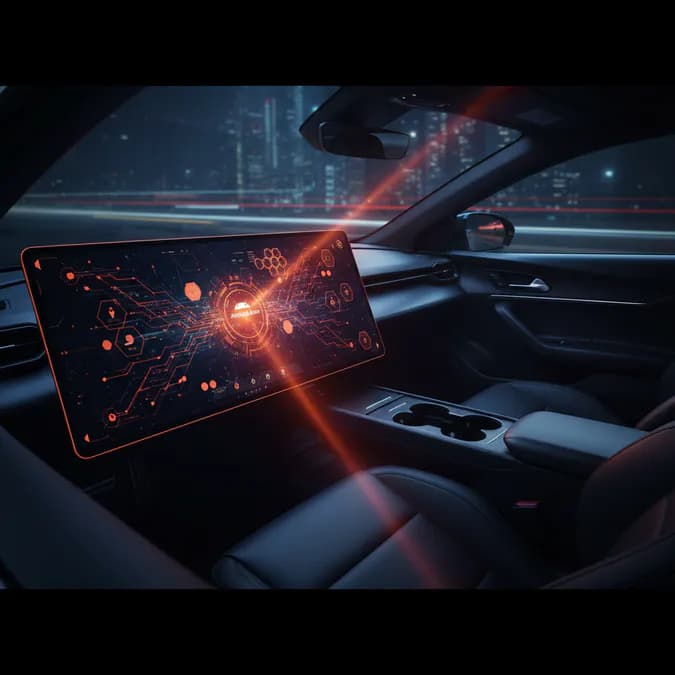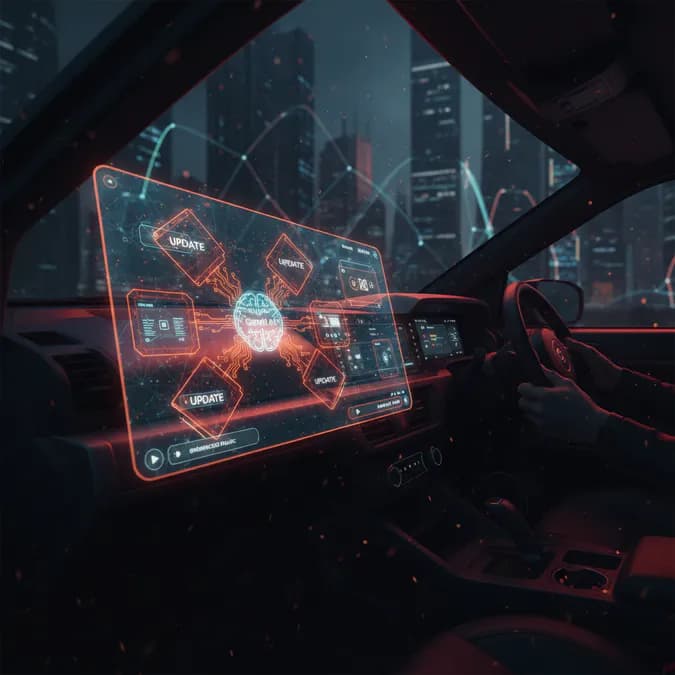
Video marketing is rapidly evolving, and 2026 promises to be a transformative year. Key trends include the widespread adoption of AI for generating video variations at scale, platforms that automatically create different formats from a single 'seed' asset, and advancements in real-time 3D video rendering for immersive walkthrough media. These innovations are set to revolutionize how marketers create and distribute video content, offering unprecedented levels of personalization and engagement.
The Future of Video Marketing
The video marketing landscape is on the cusp of a significant shift, driven by advancements in artificial intelligence and real-time rendering technologies. As we look ahead to 2026, marketers can expect to see a greater emphasis on personalized, immersive, and easily adaptable video content. These changes are not just about adopting new tools; they represent a fundament
AI-Powered Video Generation at Scale
One of the most significant trends in video marketing for 2026 is the use of AI to generate multiple video variations at scale. This means that marketers will be able to create personalized video content for different audiences and platforms much more efficiently than ever before. AI algorithms can analyze data and create videos tailored to specific demographics, interests, and behaviors.
Key Benefits of AI Video Generation
- Personalization: AI can tailor video content to individual viewers, increasing engagement and conversion rates.
- Efficiency: AI automates many of the time-consuming tasks involved in video production, freeing up marketers to focus on strategy and creativity.
- Scalability: AI makes it possible to create large volumes of video content without sacrificing quality or personalization.
According to Wyzowl 2026 Survey, 91% of businesses are using video as a marketing tool in 2026, highlighting the importance of video in today's marketing landscape. Furthermore, Visla notes that AI is now embedded in the video marketing stack, with industry outlooks expecting AI-powered and more personalized advertising to be a major growth driver across digital formats.
Automated Video Format Creation
Another key trend is the ability of platforms to automatically create different video formats from a single 'seed' asset. This means that marketers can create one core video and then use AI-powered tools to adapt it for different platforms, such as YouTube, Instagram, TikTok, and Facebook. This saves time and resources while ensuring that video content is optimized for each platform's unique requirements.
How Automated Format Creation Works
- Upload a Seed Asset: Start with a high-quality video that serves as the foundation for all other formats.
- AI-Powered Adaptation: Use AI tools to automatically resize, crop, and optimize the video for different platforms.
- Platform-Specific Enhancements: Add platform-specific elements, such as captions, hashtags, and interactive features.
- Distribution: Distribute the optimized videos to the appropriate platforms.
Tools like Visla and LTX Studio are at the forefront of this trend, offering features that allow marketers to easily create and distribute video content across multiple platforms. The Hedra team emphasizes the shift from production quality as a differentiator to creative direction, highlighting the rise of character-consistent AI video for branded content.
Real-Time 3D Video Rendering and Immersive Experiences
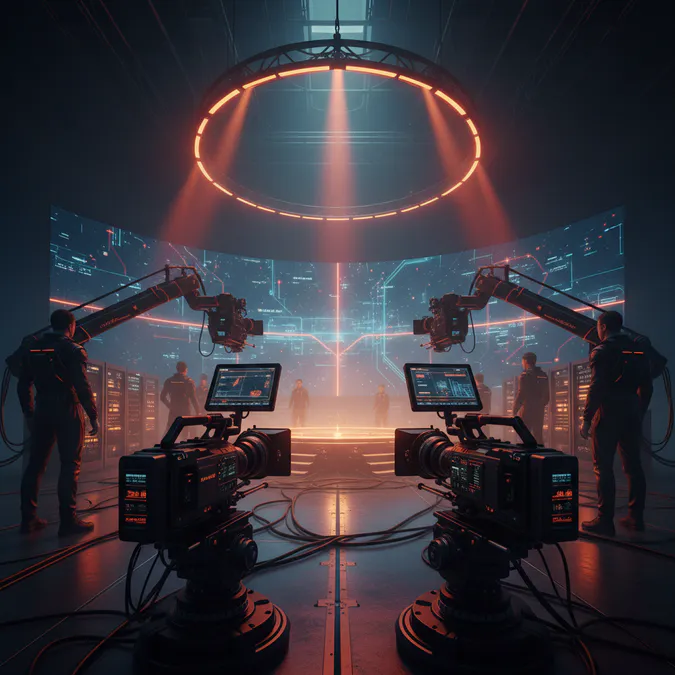
Advancements in real-time 3D video rendering are also set to transform video marketing in 2026. This technology enables the creation of immersive walkthrough media, allowing viewers to explore virtual environments and interact with products in a more engaging way. This is particularly useful for industries such as real estate, tourism, and e-commerce.
Examples of Immersive Video Experiences
- Virtual Tours: Allow potential buyers to explore properties remotely.
- Product Demonstrations: Showcase products in a realistic and interactive way.
- Interactive Storytelling: Create engaging narratives that allow viewers to make choices and influence the outcome.
The use of real-time 3D video rendering can significantly enhance the viewer experience, leading to increased engagement and conversion rates. As technology continues to evolve, we can expect to see even more innovative applications of this technology in video marketing.
Implications for Marketers
These trends have significant implications for marketers. To succeed in 2026, marketers will need to embrace AI-powered tools and strategies, focus on personalization and engagement, and be prepared to adapt to the rapidly changing video landscape. This includes:
- Investing in AI-powered video creation tools: Platforms like Visla, LTX Studio, and Hedra are leading the way in AI-driven video creation.
- Developing a personalization strategy: Use data to create video content that is tailored to individual viewers.
- Optimizing video content for different platforms: Ensure that your videos are optimized for each platform's unique requirements.
- Experimenting with immersive video experiences: Explore the potential of real-time 3D video rendering to create more engaging and interactive content.
According to Wistia, 85% of marketers report better performance from AI-enhanced videos, indicating the significant impact of AI on video marketing effectiveness. Furthermore, Wyzowl reports that 63% of video marketers are now using AI tools for creation or editing.
Preparing for 2026
To effectively prepare for the video marketing landscape of 2026, marketers should take the following steps:
- Upskill Your Team: Invest in training and development to ensure your team has the skills needed to work with AI-powered video tools.
- Experiment with New Technologies: Don't be afraid to try new platforms and technologies. The video landscape is constantly evolving, so it's important to stay ahead of the curve.
- Focus on Data: Use data to inform your video marketing strategy. Track your results and make adjustments as needed.
- Embrace Creativity: While AI can automate many tasks, creativity is still essential. Use AI to enhance your creative vision, not replace it.
The Bottom Line
The future of video marketing in 2026 is bright, with AI and real-time rendering technologies opening up new possibilities for personalization, engagement, and immersion. By embracing these trends and preparing for the changes ahead, marketers can create more effective video content and achieve better results. The AI video generator market is projected to grow from $614.8 million in 2024 to $2.56 billion by 2032 [Source: quantumrun.com], indicating the significant potential of this technology.
Sources
- Automated Pipeline
- AI Video Trends and Social Media Trends Shaping Content Creation
- Video Marketing Statistics 2026 (12 Years of Data)
- AI Video Marketing Trends for 2026
- Video Marketing Trends for 2026: Short-Form, UGC, AI, CTV
- AI Video Trends: AI Video Predictions For 2026
- Source: vivideo.ai
- Source: quantumrun.com
- Source: vidio.ai
- Source: youtube.com