
Video production is rapidly evolving, driven by technological advancements and changing consumer expectations. According to Panasonic, 2026 will see significant shifts in how video content is created, edited, and distributed. This article explores the key video production trends shaping the future of video production, including AI-powered automation, remote workflows, live streaming, and IP-based infrastructure. Understanding these trends is crucial for anyone involved in video production, from content creators to marketing professionals.
Introduction
The video production landscape is undergoing a dramatic transformation, driven by advancements in technology and evolving audience expectations. Panasonic highlights that major video production trends in 2026 will include AI-powered automation, remote workflows
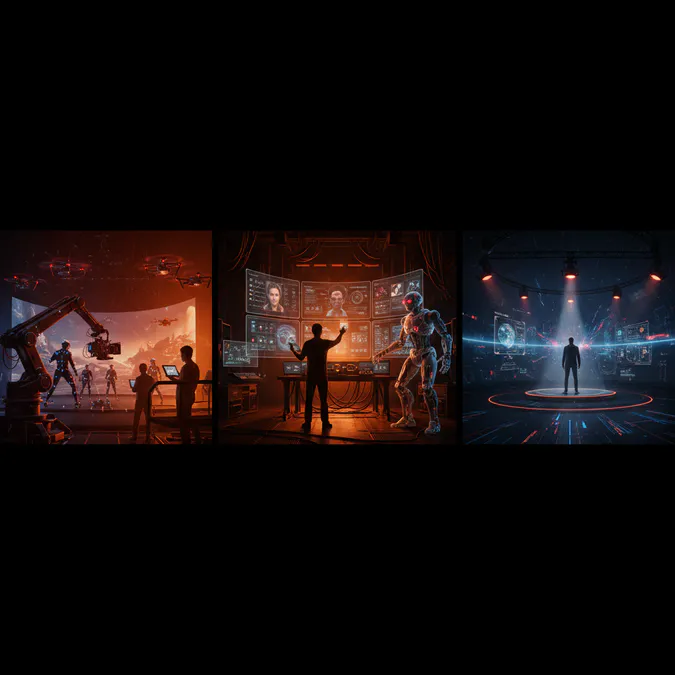

Overview of Trends Shaping Video Production in 2026
Several key trends are converging to reshape the video production industry in 2026. These include:
- AI-Powered Automation: AI is being integrated into various stages of video production, from logging and rough cuts to captioning, translation, and asset management.
- Remote Workflows: Remote production is reducing the need for all crew members to be physically on-site, enabling collaboration across different locations.
- Live Streaming and Real-Time Editing: Live streaming is becoming a core expectation, especially for events, product launches, and internal communications.
- IP-Based Workflows: IP-based infrastructure is gaining traction, offering more flexible, scalable, and software-defined production systems compared to traditional baseband systems.
- Short-Form and Long-Form Content: While short-form, vertical video remains important, longer anchor content is still valuable for trust-building and conversion.
These trends are driven by the need for greater efficiency, flexibility, and cost-effectiveness in video production. As Panasonic Connect notes, IP-based workflows and AI tools are at the forefront of this transformation, enabling producers to create more content with fewer resources.
The Impact of AI on Video Production
Artificial intelligence is revolutionizing video production by automating repetitive tasks, enhancing creativity, and improving overall efficiency. AI tools are now capable of handling various aspects of the production workflow, including:
- Editing: AI algorithms can assist with tasks such as scene detection, color correction, and audio enhancement, significantly speeding up the editing process.
- Captioning and Translation: AI-powered tools can automatically generate captions and translate video content into multiple languages, making it accessible to a wider audience.
- Asset Management: AI can help organize and manage video assets, making it easier to find and retrieve footage.
- Logging and Rough Cuts: AI can automatically log footage and create rough cuts, saving editors valuable time and effort.
According to industry analysis from Ideas and Outcomes, "AI is now becoming part of the normal production workflow, not just a special feature. It is changing how quickly teams can ingest, edit, localize, and version content." This integration of AI is enabling video production teams to focus on more creative and strategic tasks, ultimately leading to higher-quality content.
The Future of Remote Workflows
Remote workflows are transforming the way video production teams collaborate, enabling them to work from anywhere in the world. This shift is driven by advancements in technology, such as cloud-based editing platforms, high-speed internet, and real-time collaboration tools. Remote workflows offer several benefits, including:
- Increased Flexibility: Remote production allows teams to work from any location, providing greater flexibility and work-life balance.
- Reduced Costs: By reducing the need for physical studios and on-site personnel, remote workflows can significantly lower production costs.
- Access to Talent: Remote production enables teams to collaborate with talent from around the world, expanding their creative pool.
- Improved Efficiency: Remote workflows can streamline the production process, reducing the time and effort required to create video content.
The rise of remote workflows is also being driven by the increasing demand for live and event content. As Ideas and Outcomes notes, "One shoot feeding multiple outputs is no longer an efficiency tactic. It is the default operating model." This means that video production teams need to be able to quickly and efficiently create multiple versions of content for different platforms and audiences, which is where remote workflows excel.
The Rise of IP-Based Workflows
IP-based workflows are revolutionizing broadcast infrastructure by enabling flexible, software-driven production environments. Unlike traditional baseband systems, IP-based workflows offer several advantages:
- Flexibility: IP-based systems allow for more flexible routing and signal management, making it easier to adapt to changing production needs.
- Scalability: IP-based infrastructure can be easily scaled up or down to accommodate different production requirements.
- Efficiency: IP-based workflows can simplify signal routing and setup, improving efficiency in live production environments. According to SMPTE, IP-based production workflows can lead to a 75% reduction in workflow steps compared with traditional baseband systems.
- Cost-Effectiveness: By reducing the need for specialized hardware and infrastructure, IP-based workflows can lower production costs.
SMPTE emphasizes that "The shift to IP is transforming broadcast infrastructure by enabling flexible, software-driven production and more distributed workflows." This transition is being driven by the adoption of interoperability standards such as SMPTE ST 2110, which supports more flexible production facilities.
Conclusion
The video production landscape is rapidly evolving, driven by advancements in AI, remote workflows, and IP-based infrastructure. As Panasonic highlights, these trends are reshaping the industry and enabling video production teams to create more content with fewer resources. By embracing these changes and adopting new technologies, video professionals can stay ahead of the curve and deliver engaging, high-quality content that resonates with audiences. With 91% of businesses using video as a marketing tool [Wyzowl Video Marketing Statistics 2025], and 88% of video marketers reporting a positive return on investment [Wyzowl Video Marketing Statistics 2025], the future of video production is bright for those who adapt and innovate.
Key Takeaways
- AI automation is transforming video production efficiency.
- Remote workflows are enabling global collaboration and reducing costs.
- IP-based workflows offer flexibility and scalability for production.
- Understanding these trends is essential for staying competitive in the industry.
FAQ
What are the main video production trends for 2026?
The main video production trends for 2026 include AI-powered automation, remote workflows, live streaming, and IP-based infrastructure.
How is AI impacting video production?
AI is automating repetitive tasks, enhancing creativity, and improving efficiency in video production workflows.
What benefits do remote workflows provide?
Remote workflows provide increased flexibility, reduced costs, access to global talent, and improved efficiency in video production.
Why are IP-based workflows important?
IP-based workflows offer flexibility, scalability, efficiency, and cost-effectiveness compared to traditional production systems.
Sources
- Automated Pipeline
- Panasonic Connect Newsroom
- NAB Show 2026 Official Website
- SMPTE Official Website
- NewTek / Vizrt Remote Production and Live Video Solutions
- Source: visla.us
- Source: ideasandoutcomes.com
- Source: w-studio.com
- Source: 336productions.com
- Source: videoplusprint.com
- Source: hatchstudios.com
- Source: awesomic.com
- Source: graylinemedia.com