Video production trends are rapidly evolving, and 2026 promises to bring significant advancements in how content is created and consumed. From hybrid content that blends live action with animation and motion graphics to the integration of AI in scripting and editing, the industry is poised for transformation. This article explores the key trends shaping video production in 2026, including the increasing demand for 3D animation and the balance between AI assistance and human creativity.
The Rise of Hybrid Content
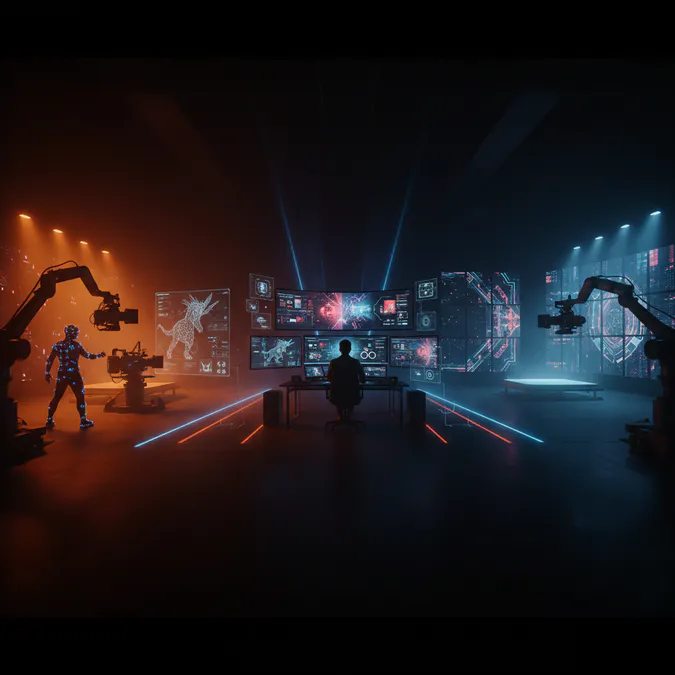
One of the most prominent video production trends for 2026 is the prevalence of hybrid content. This approach combines live action footage with animation and motion graphics to create engaging and visually appealing experiences. Companies like Hatch Studios are already highlighting this trend, noting
Benefits of Hybrid Content
- Enhanced Visual Appeal: Combining live action with animation and motion graphics creates visually dynamic content.
- Increased Engagement: Hybrid content can capture and maintain audience attention more effectively.
- Creative Flexibility: This approach allows for greater creative freedom in storytelling and visual design.
AI-Assisted Video Production
Artificial intelligence is playing an increasingly significant role in video production. In 2026, AI tools are expected to assist with various tasks, including creating rough cuts and scripting. However, it's crucial to note that AI is not intended to replace human creativity but rather to augment it. AI can handle repetitive and time-consuming tasks, freeing up human creators to focus on the more creative aspects of video production.
AI Applications in Video Production
- Scripting Assistance: AI can help generate initial drafts and suggest improvements to existing scripts.
- Rough Cut Creation: AI can automatically assemble initial video cuts, saving editors significant time.
- Workflow Enhancement: AI streamlines tasks like clip search, captioning, and localization.
The VideoScribe Blog notes that AI streamlines the heavy lifting, including research, scripting, versioning, and personalization, allowing creators to focus on tone, storytelling, and intent. Panasonic is also innovating in this area, advancing AI for facial recognition, keying, and real-time effects in video production services. The AI Media and Entertainment Market is projected to reach $166.77 billion by 2033, growing from $26.34 billion in 2024, exhibiting a CAGR of 22.76%. This growth underscores the increasing importance of AI in the video production landscape.
The Growing Demand for 3D Animation
Another key trend in video production for 2026 is the increasing demand for 3D animation, particularly in product visualization. 3D animation allows for immersive and detailed representations of products, making it an ideal tool for marketing and advertising. The rise of 3D animation reflects a broader trend towards more visually engaging and interactive content.
Applications of 3D Animation
- Product Visualization: Creating detailed and realistic representations of products.
- Marketing Campaigns: Enhancing marketing materials with visually appealing animations.
- Immersive Experiences: Developing interactive and engaging content for various platforms.
Balancing Technology and Authenticity
While AI and advanced technologies offer numerous benefits, it's essential to balance them with human authenticity. Audiences are increasingly seeking genuine and relatable content, which can be achieved through user-generated content and live-streaming. These formats allow for real-time interaction and foster a sense of community, countering the polished and sometimes impersonal nature of AI-generated content.
The DreamingFish Blog highlights the importance of balancing tech efficiency with human authenticity, combining data, storytelling, and automation to deliver truly personalized video experiences. This balance is crucial for creating content that resonates with audiences and builds trust.
Short-form videos (15-90 seconds) will continue to prioritize hooks and key takeaways, while long-form videos (8-30 minutes) will focus on deep dives and comprehensive content. This distinction allows creators to cater to different audience preferences and engagement levels.
Key Takeaways
Video production in 2026 will be characterized by hybrid content, AI-assisted workflows, and the rise of 3D animation. While AI will play a significant role in streamlining production processes, human creativity and authenticity will remain essential for creating engaging and relatable content. By balancing technology with human elements, video producers can create compelling experiences that resonate with audiences and drive results.
As the media market continues to grow, embracing these trends will be crucial for staying competitive and delivering high-quality video content. Companies like Visla and DreamingFish are already helping businesses navigate these changes and leverage the power of video to achieve their goals. Additionally, the rise of interactive video print media offers new avenues for engagement by blending print and digital experiences.
With an estimated 75% of marketing videos being AI-generated or AI-assisted by 2026, understanding and adapting to these trends is more important than ever. The future of video production is here, and it's a blend of technology and human creativity working together to create compelling and engaging content.
Frequently Asked Questions
What are the main video production trends for 2026?
The main video production trends for 2026 include hybrid content, AI-assisted workflows, and the growing demand for 3D animation.
How is AI changing video production?
AI is changing video production by assisting with scripting, creating rough cuts, and enhancing workflows, allowing human creators to focus on creativity.
Why is hybrid content important?
Hybrid content is important because it combines different visual elements, enhancing storytelling and engagement with audiences.
Sources
- Automated Pipeline
- 8 Video Trends That Will Transform Your Content in 2026
- Trends in Video Production Services That Will Shape 2026
- Video Production Trends for 2026 that SME and Corporate Teams...
- Top 5 video & design trends for 2026
- Video & motion design trends 2026: AI, craft, and chaos
- Source: videoplusprint.com
- Source: graylinemedia.com