
Video production trends are undergoing a significant transformation, and 2026 is poised to be a pivotal year. Driven by technological advancements, evolving audience expectations, and the need for scalable content solutions, the industry is embracing new approaches. Hybrid content, AI-assisted workflows, and the increasing demand for 3D animation are just a few of the trends reshaping how videos are created and consumed. This article delves into these key video production trends, exploring their implications and providing insights into the future of video production.
The Evolution of Video Production
The video production landscape is rapidly evolving, moving beyond traditional live-action filming to embrace a blend of technologies and creative approaches. In 2026, the industry is characterized by hybrid content, AI-assisted workflows, and a growing demand for 3D animation and motion graphics. These trends are driven by the need for engaging, versatile content that can capture audie
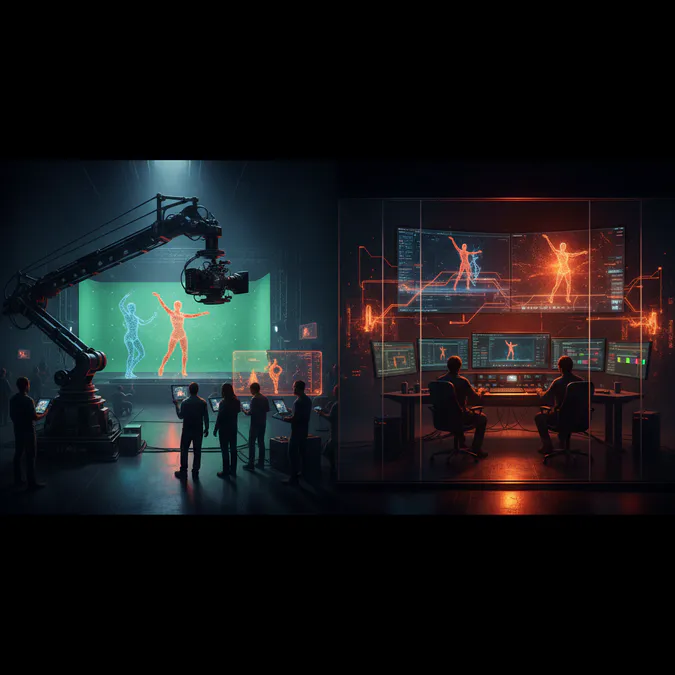
Hybrid Content: Blending Live Action and Animation
Hybrid content, which combines live-action footage with 2D/3D animation and motion graphics, is becoming a dominant trend in video production. This approach allows for greater creative flexibility and enables brands to tell compelling stories in unique and engaging ways. By blending these elements, video producers can create visually stunning content that captures attention and effectively communicates their message. This versatility is particularly valuable for brand storytelling, allowing for a dynamic and memorable viewing experience [Source: Hatch Studios].
Key benefits of hybrid content include:
- Enhanced Visual Appeal: Combining live-action with animation creates visually dynamic content.
- Increased Engagement: Hybrid content captures and maintains audience attention more effectively.
- Versatile Storytelling: Allows for creative and flexible storytelling approaches.
AI-Assisted Workflows: Balancing Automation and Creativity
Artificial intelligence (AI) is playing an increasingly significant role in video production, streamlining workflows and freeing up human creators to focus on the more creative aspects of their work. AI tools are being used for tasks such as editing, script ideation, generating captions, and localizing content. However, it's crucial to maintain a balance between automation and human creativity to ensure that the final product retains its authenticity and artistic vision [Source: Hatch Studios].
According to the VideoScribe Blog, "AI streamlines the heavy lifting; research, scripting, versioning, and personalization so creators can focus on tone, storytelling, and intent." The Michael Group Ltd Blog echoes this sentiment, stating that "AI won’t replace creative judgment, but will amplify it, enabling teams with a clear point of view, strong story structure, and technical skills to produce even better content" [Source: Michael Group Ltd Blog].
Examples of AI applications in video production:
- Automated Editing: AI algorithms can quickly assemble footage and create initial cuts.
- Script Generation: AI can assist with script ideation and even generate initial drafts.
- Captioning and Localization: AI-powered tools can automatically generate captions and translate content into multiple languages.
AI Implementation Statistics
- AI can generate optimized trailer versions for multiple platforms in hours instead of weeks, saving significant manual work [Source: Frameo.AI Blog].
- The use of AI in everyday workflows is expected to become routine for editing, transcripts, metadata, and localization in 2026 [Source: Cinema8 Blog].
3D Animation and Motion Graphics Demand
The demand for 3D animation and motion graphics is surging, driven by their effectiveness in product visualization, data storytelling, and creating engaging explainer videos. These techniques allow for the creation of visually compelling content that can effectively communicate complex information and showcase products in an interactive and immersive way. As audiences increasingly expect high-quality visuals, 3D animation and motion graphics are becoming essential tools for video producers [Source: Hatch Studios].
Applications of 3D animation and motion graphics:
- Product Visualization: Showcasing products in a detailed and interactive manner.
- Data Storytelling: Presenting complex data in an engaging and easily understandable format.
- Explainer Videos: Creating visually appealing videos that explain concepts or processes.
Data-Driven Storytelling in Video
Data-driven storytelling is emerging as a key application for advanced video techniques. By leveraging data to inform the narrative, video producers can create more relevant and impactful content that resonates with their target audience. This approach involves using data analytics to identify trends, understand audience preferences, and tailor the video content accordingly. The result is a more personalized and engaging viewing experience that drives better results [Source: Hatch Studios].
Benefits of data-driven storytelling:
- Increased Relevance: Content is tailored to the specific interests and preferences of the audience.
- Improved Engagement: Data-driven narratives are more likely to capture and maintain audience attention.
- Better Results: Personalized content drives higher conversion rates and achieves better business outcomes.
Industry Implications and Future Outlook
The trends discussed above have significant implications for the video production industry. As technology continues to advance, video producers will need to adapt to new tools and techniques to stay competitive. This includes embracing AI-assisted workflows, mastering hybrid content creation, and leveraging data-driven storytelling. The future of video production will be characterized by a blend of human creativity and technological innovation, with a focus on creating engaging, personalized, and impactful content.
Key considerations for the future:
- Continuous Learning: Staying up-to-date with the latest technologies and trends.
- Collaboration: Fostering collaboration between human creators and AI tools.
- Adaptability: Being flexible and willing to adapt to changing audience expectations.
Tools and Technologies Enabling These Trends
Several tools and technologies are enabling the trends discussed in this article. These include:
- AI-powered video editing software: Programs like Adobe Premiere Pro and Final Cut Pro are integrating AI features to automate tasks and streamline workflows.
- Motion graphics and animation software: Tools like Adobe After Effects and Cinema 4D are essential for creating visually stunning hybrid content.
- Data analytics platforms: Platforms like Google Analytics and Tableau are used to gather insights and inform data-driven storytelling.
- Virtual production studios: Blending physical sets with real-time digital environments to speed decisions and reduce reshoots in filmmaking.
By leveraging these tools and technologies, video producers can create high-quality content that meets the evolving needs of their audience.
In conclusion, the video production industry is undergoing a period of rapid transformation, driven by technological advancements and changing audience expectations. By embracing hybrid content, AI-assisted workflows, and data-driven storytelling, video producers can create engaging, personalized, and impactful content that resonates with their target audience. As the industry continues to evolve, staying up-to-date with the latest trends and technologies will be crucial for success.
Key Takeaways
- Video production trends are evolving with hybrid content and AI integration.
- 3D animation and data-driven storytelling are essential for engaging audiences.
- Producers must adapt to new technologies to remain competitive.
FAQ
What are the key video production trends for 2026?
The key video production trends for 2026 include hybrid content, AI-assisted workflows, 3D animation, and data-driven storytelling.
How is AI impacting video production?
AI is streamlining workflows, automating tasks, and allowing creators to focus on the creative aspects of video production.
Why is data-driven storytelling important?
Data-driven storytelling enhances relevance and engagement by tailoring content to audience preferences, leading to better results.
Sources
- Automated Pipeline
- Trends Shaping the Future of Filmmaking in 2026 - Frameo.AI
- 8 Video Trends That Will Transform Your Content in 2026
- 2026 video trends: How organisations build video systems | Cinema8
- Top Corporate Video Production Company Shares 2026 Trends
- Video Production Trends for 2026 that SME and Corporate Teams ...
- Source: awakenedfilms.com