The Evolution of Video Streaming Technology

The video streaming landscape is undergoing a fundamental transformation as we approach 2026. Creators who understand and adapt to emerging technologies will be better positioned to engage audiences, increase viewership, and build sustainable careers in an increasingly competitive landscape. This comprehensive guide explores the key video streaming trends that will define the next phase of content delivery and audience engagement.
Video streaming has evolved dramatically over the past decade, from basic on-demand services to sophisticated, personalized experiences. Today's landscape demands more than just quality content—it requires strategic implementation of emerging technologies that enhance viewer engagement and satisfaction. The convergence of artificial intelligence, real-time interactivity, and immersive technologies is creating unprecedented opportunities for creators willing to innovate.
Interactive Live Streaming: Redefining Real-Time Engagement
Interactive live streaming represents one of the most significant shifts in how creators connect with audiences. Unlike traditional broadcast models, interactive live streaming enables real-time participation, transforming passive viewers into active participants. This trend encompasses features like live polls, audience Q&A sessions, interactive games, and real-time chat integra

Creators leveraging interactive live streaming report higher engagement rates and stronger community building. The technology allows audiences to influence content direction, vote on decisions, and participate in experiences alongside the creator. Platforms are increasingly investing in tools that make interactive features more accessible and intuitive, enabling creators of all technical skill levels to implement these capabilities.
The business implications are significant. Interactive live streaming creates opportunities for deeper monetization through sponsorships, exclusive interactive experiences, and premium access tiers. Audiences are willing to pay for experiences that offer genuine participation and connection, making this trend both an engagement and revenue opportunity.
AI Personalization: Tailoring Content to Individual Viewers
Artificial intelligence is revolutionizing how content is discovered, recommended, and consumed. AI personalization algorithms analyze viewer behavior, preferences, watch history, and engagement patterns to deliver customized content recommendations and viewing experiences. This technology benefits both creators and platforms by increasing watch time, reducing churn, and improving overall user satisfaction.
For creators, understanding AI personalization means optimizing content for algorithmic discovery. This includes strategic use of metadata, thumbnails, titles, and descriptions that accurately represent content while appealing to algorithmic ranking systems. Creators who understand how AI systems evaluate and recommend content can significantly increase their visibility and reach.
AI personalization extends beyond recommendations. Machine learning algorithms now assist with content creation itself, offering tools for automated editing, thumbnail generation, caption creation, and even content analysis. These tools help creators work more efficiently while maintaining quality standards. As AI capabilities advance, creators who embrace these tools gain competitive advantages in production speed and consistency.
The personalization trend also raises important considerations around viewer privacy and data ethics. Creators and platforms must balance personalization benefits with transparent data practices and user privacy protection, as audiences increasingly demand control over their data.
Immersive VR and AR Experiences: The Next Frontier
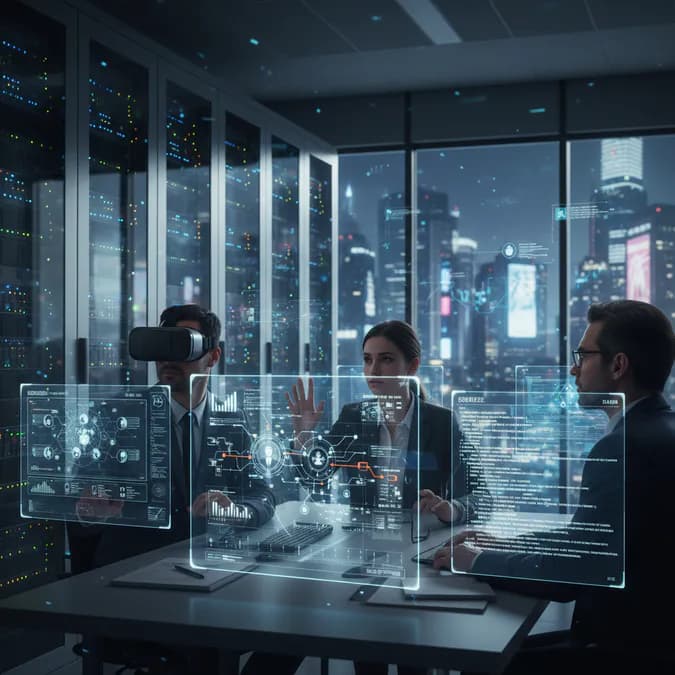
Virtual reality and augmented reality technologies are transitioning from niche applications to mainstream content delivery methods. Immersive VR/AR experiences create opportunities for creators to tell stories in entirely new ways, offering audiences unprecedented levels of engagement and presence.
VR streaming allows viewers to experience content in three-dimensional, fully immersive environments. This technology is particularly powerful for educational content, travel experiences, live events, and entertainment. Creators can transport audiences to locations and scenarios impossible to experience otherwise, creating emotional connections and memorable experiences.
Augmented reality, meanwhile, overlays digital content onto the real world, creating interactive experiences that blend physical and digital environments. AR is particularly valuable for product demonstrations, educational content, gaming, and interactive storytelling. Unlike VR, which requires dedicated headsets, AR can be accessed through smartphones and tablets, making it more accessible to broader audiences.
Implementing VR/AR content requires investment in specialized equipment and software, but the barriers to entry continue to decrease. Consumer-grade VR headsets are becoming more affordable, and AR development tools are increasingly accessible. Creators who begin experimenting with immersive technologies now will establish expertise and audience bases before these formats become mainstream.
Low-Latency Technologies: Reducing Delay in Real-Time Streaming
Latency—the delay between content capture and viewer reception—has long been a challenge in live streaming. Traditional streaming protocols introduce delays of 10-60 seconds, making real-time interaction difficult. Low-latency technologies are dramatically reducing this delay, enabling near-instantaneous communication between creators and audiences.
Protocols like CMAF (Common Media Application Format) and emerging standards are pushing latency below one second, creating truly real-time streaming experiences. This advancement is crucial for interactive live streaming, gaming content, sports broadcasting, and any scenario where immediate feedback is essential.
Low-latency streaming also improves the viewer experience by reducing the gap between what's happening live and what viewers see. This synchronization is particularly important for interactive features, where audience participation must feel immediate and responsive. Viewers are more likely to engage with interactive elements when they perceive genuine real-time connection.
For creators, low-latency capabilities mean better audience interaction, more authentic live experiences, and improved monetization opportunities through interactive features. As platforms invest in low-latency infrastructure, creators gain access to these capabilities without requiring significant technical expertise.
Content Delivery and Technical Considerations
As video streaming trends advance, the technical infrastructure supporting content delivery becomes increasingly important. Adaptive bitrate streaming, which automatically adjusts video quality based on viewer bandwidth, remains essential for ensuring quality experiences across diverse devices and network conditions.
Creators must consider how their content will be delivered across various platforms, devices, and network conditions. Optimizing video encoding, choosing appropriate codecs, and understanding platform-specific requirements ensures content reaches audiences in optimal quality. Working with platforms that provide robust content delivery networks (CDNs) ensures reliable, fast distribution globally.
The rise of immersive and interactive content creates new technical demands. VR/AR content requires higher bitrates and more sophisticated encoding to maintain quality and performance. Interactive features require robust backend infrastructure to handle real-time data processing and audience participation at scale.
What This Means for Creators
The convergence of these video streaming trends creates both opportunities and challenges for content creators. Success in 2026 requires understanding these technologies and strategically implementing them in ways that align with audience expectations and content goals.
Creators should begin experimenting with interactive features on their current platforms, building audience familiarity with participation-based content. Investing time in understanding AI recommendation systems and optimizing content accordingly can significantly improve discoverability. For those with resources and interest, exploring VR/AR content creation opens entirely new audience segments and engagement possibilities.
Technical proficiency becomes increasingly valuable as streaming technology advances. Creators who understand encoding, streaming protocols, and platform requirements can troubleshoot issues, optimize quality, and implement new features more effectively. Continuous learning and experimentation with emerging tools and platforms positions creators for long-term success.
Building community remains central to creator success regardless of technological advancement. Interactive features, personalization, and immersive experiences are tools for strengthening community connections, not replacements for authentic engagement. Creators who use these technologies to deepen relationships with audiences will thrive in the evolving landscape.
Key Takeaways
- Understanding video streaming trends is essential for creators in 2026.
- Interactive live streaming enhances audience engagement and monetization.
- AI personalization improves content discoverability and viewer satisfaction.
- Immersive VR and AR experiences offer new storytelling opportunities.
- Low-latency technologies enable real-time interaction, enhancing viewer experience.
- Technical knowledge is crucial for optimizing content delivery and quality.
- Building community connections remains vital for long-term success.
Frequently Asked Questions (FAQ)
What are the key video streaming trends for 2026?
The key video streaming trends for 2026 include interactive live streaming, AI personalization, immersive VR and AR experiences, and low-latency technologies.
How does AI personalization impact content creators?
AI personalization helps content creators by optimizing their content for algorithmic discovery, increasing visibility, and enhancing viewer satisfaction through tailored recommendations.
Why is low-latency technology important for live streaming?
Low-latency technology is crucial for live streaming as it reduces delays, enabling real-time interaction between creators and audiences, which enhances the overall viewer experience.
The Bottom Line
The video streaming landscape of 2026 will be defined by interactivity, personalization, immersion, and real-time responsiveness. Creators who understand these trends and thoughtfully implement relevant technologies will build stronger audiences, increase engagement, and create more sustainable careers. The key is balancing technological innovation with authentic storytelling and genuine audience connection. Those who embrace these video streaming trends while maintaining focus on quality content and community building will lead the next generation of digital content creation.
For further reading, check out this related article on video streaming strategies.