
Introduction: The Evolving Landscape of Video Production
As we approach 2026, video production trends are increasingly shaped by the need for efficiency and engagement. With 75% of video consumption occurring on mobile devices, the format and delivery of video content have never been more critical. The rise of short-form content on platforms like TikTok and Instagram Reels, coupled with the demand for longer, more informative video
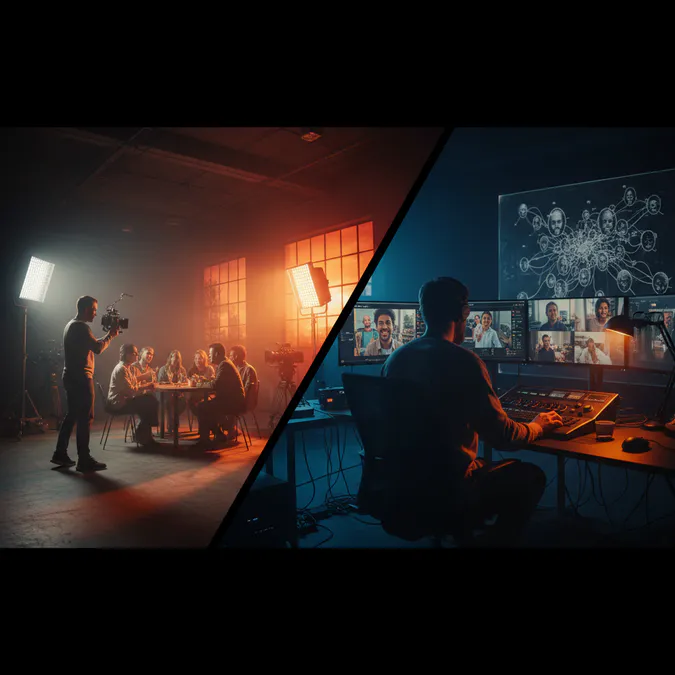
Two-Speed Video Strategy: Balancing Reach and Trust
The two-speed video strategy is a prominent trend for 2026, combining short-form videos for broad reach with longer 'anchor' videos that build trust. This approach allows businesses to cater to different audience preferences and maximize engagement.
- Short-form content: Videos ranging from 15 to 90 seconds are ideal for platforms like TikTok, Instagram Reels, and YouTube Shorts, where quick consumption is key.
- Long-form anchor videos: These videos, lasting between 2 to 30 minutes, provide in-depth information, tutorials, and webinars that help establish authority and trust.
By repurposing long-form content into multiple short clips, teams can create 10-20 clips per session, significantly reducing production costs while maximizing content utility. This strategy not only enhances reach but also fosters deeper connections with audiences, as noted by the Visla team: "Teams will stop arguing about 'short vs long.' They’ll use both, on purpose." [Source]
The Rise of Creator-Style Authenticity in Corporate Video
Authenticity is becoming increasingly important in video production, particularly as audiences seek genuine connections with brands. The rise of creator-style content—characterized by a more personal and relatable approach—has influenced corporate video strategies.
- Engagement through relatability: Content that mirrors the style of popular creators tends to resonate more with viewers, fostering engagement and loyalty.
- Sound-off viewing: With many viewers consuming videos without sound, optimizing for this format is essential. Large centered text, captions, and strong hooks within the first three seconds can significantly enhance viewer retention.
By embracing creator-style authenticity, businesses can create videos that not only inform but also connect on a personal level, driving higher engagement rates.
AI-Powered Video Editing and Localization: Efficiency and Global Reach
Artificial intelligence is revolutionizing video production workflows, making processes more efficient and accessible. AI-powered tools are streamlining editing tasks, enabling teams to focus on creativity rather than technicalities.
- Automated editing tools: Products like OpusClip automate clipping, captioning, and reframing, allowing for quicker turnaround times.
- Localization: AI can assist in adapting content for different markets, ensuring that videos resonate with diverse audiences.
According to experts from Superside, "AI is changing the short-form game... Seamlessly bringing motion and dynamic visuals to previously static posts." [Source] This efficiency not only reduces production time but also enhances the overall quality of video content.
Expanding Video Distribution: CTV and Premium Placements
The distribution landscape for video content is expanding beyond traditional mobile feeds. Connected TV (CTV) and premium placements are becoming increasingly important for brands looking to reach wider audiences.
- Connected TV (CTV): As more consumers shift to streaming services, distributing content on CTV platforms allows brands to tap into a growing audience base.
- Premium placements: Investing in premium ad placements can enhance visibility and engagement, particularly for longer anchor videos.
By diversifying distribution channels, businesses can ensure their content reaches audiences where they are most active, thereby maximizing impact and engagement.
Conclusion: Preparing for the Future of Video
As we move into 2026, the landscape of video production will continue to evolve, driven by technological advancements and changing consumer preferences. By adopting a two-speed video strategy, embracing creator-style authenticity, leveraging AI-powered tools, and expanding distribution channels, SMEs and corporate teams can position themselves for success in the competitive video marketing arena. Preparing for these trends will not only enhance engagement but also foster trust and loyalty among audiences, ensuring a strong return on investment in video production efforts.
Key Takeaways
- Embrace a two-speed video strategy to balance reach and trust.
- Utilize creator-style authenticity to foster genuine connections.
- Leverage AI tools for efficient video editing and localization.
- Expand distribution channels to maximize audience engagement.
FAQ
What are the major video production trends for 2026?
The major video production trends for 2026 include a two-speed video strategy, creator-style authenticity, AI-powered editing, and expanding distribution channels.
How can SMEs benefit from these video production trends?
SMEs can enhance engagement and efficiency by adopting these trends, allowing them to connect better with their audiences and optimize their video marketing strategies.
Why is authenticity important in video production?
Authenticity is crucial as audiences increasingly seek genuine connections with brands, making relatable content more effective in fostering engagement and loyalty.
For more insights on video production trends, visit Visla and explore their comprehensive resources.
Sources
- Automated Pipeline
- 5 Winning Tactics for Short-Form Video Marketing Trends in 2026
- Video Marketing Trends for 2026: New Tech + Real Results
- Short-Form Video Strategy 2026: Complete Guide
- Top 2026 Video Marketing Trends You Can't Skip
- Source: blog.videoscribe.co
- Source: superside.com
- Source: lmdagency.com
- Source: truefuturemedia.com
- Source: 90seconds.com