The video production landscape is on the cusp of a dramatic transformation, driven by the relentless advancement of artificial intelligence. By 2026, AI video production will no longer be a futuristic concept but an integral part of the creative process, impacting everything from pre-production to post-production and distribution. This article delves into the key trends and tools shaping this exciting future.
Table of Contents
- Hyper-Personalization at Scale
- Generative AI: Text-to-Video Revolution
- The Impact on Creative Professionals
- AI-Powered Editing: Streamlining Post-Production
- Real-Time AI on Set: Transforming Production Workflows
- Key Takeaways
- The Bottom Line
- FAQ
Hyper-Personalization at Scale
One of the most significant impacts of AI will be the ability to create hyper-personalized video content for individual viewers. Imagine a world where marketing videos adapt in real-time to a viewer's demographics, interests, and even emotional state. AI algorithms can analyze vast amounts of data to understand viewer preferences and tailor video content accordingly. T
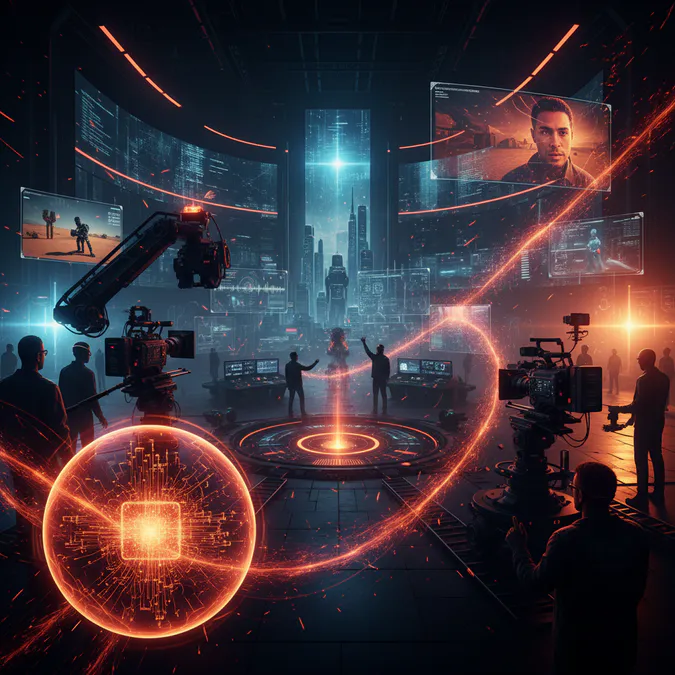
This trend extends beyond marketing. Educational videos can be customized to individual learning styles, and entertainment content can be adapted to suit specific tastes. The possibilities are virtually limitless.
Generative AI: Text-to-Video Revolution
Generative AI models like OpenAI's Sora and Runway Gen-3 are poised to revolutionize video creation. These tools allow users to generate realistic and compelling video content from simple text prompts. Imagine being able to create a stunning visual sequence simply by typing a description of the scene you want to see. This technology democratizes video creation, making it accessible to individuals and organizations with limited resources or technical expertise.
While these tools are still in their early stages of development, they are rapidly improving in terms of quality, realism, and control. By 2026, we can expect to see even more sophisticated generative AI models capable of producing high-quality video content with minimal human input.
The Impact on Creative Professionals
While some may fear that generative AI will replace human creatives, the reality is more nuanced. These tools will likely augment the capabilities of video professionals, allowing them to focus on higher-level creative tasks such as storytelling, concept development, and artistic direction. Generative AI can handle the more mundane and time-consuming aspects of video production, freeing up creatives to focus on what they do best.
AI-Powered Editing: Streamlining Post-Production
Post-production is often the most time-consuming and labor-intensive phase of video creation. AI is already making significant inroads in this area, automating tasks such as video editing, color correction, audio mixing, and visual effects. AI-powered editing tools can analyze video footage, identify key scenes, and automatically create rough cuts. They can also remove unwanted noise, adjust color balance, and add visual effects with minimal human intervention.
These tools not only save time and money but also improve the overall quality of the final product. By automating repetitive tasks, AI allows editors to focus on the more creative aspects of their work, such as crafting compelling narratives and creating visually stunning sequences.
Real-Time AI on Set: Transforming Production Workflows
AI is also making its way onto the set, transforming the way videos are produced in real-time. AI-powered cameras can automatically track subjects, adjust focus, and optimize exposure. AI-driven virtual production tools allow filmmakers to create realistic environments and visual effects in real-time, reducing the need for costly and time-consuming post-production work.
Furthermore, AI can assist with tasks such as script analysis, shot planning, and talent management. By providing real-time insights and recommendations, AI can help filmmakers make better decisions and improve the overall efficiency of the production process.
Key Takeaways
- Hyper-personalization: AI will enable the creation of highly personalized video content tailored to individual viewers.
- Generative AI: Tools like Sora and Gen-3 will revolutionize video creation by generating video from text prompts.
- AI-powered editing: AI will automate many post-production tasks, saving time and money.
- Real-time AI on set: AI-powered cameras and virtual production tools will transform production workflows.
The Bottom Line
The integration of AI into video production is not just a trend; it's a fundamental shift that will reshape the industry in the years to come. By embracing these new technologies and adapting to the changing landscape, video professionals can unlock new levels of creativity, efficiency, and personalization. As we move closer to 2026, the possibilities for AI in video production are truly limitless.
FAQ
What is AI video production?
AI video production refers to the use of artificial intelligence technologies to enhance various aspects of video creation, including scripting, editing, and personalization.
How will AI change video production by 2026?
By 2026, AI is expected to significantly streamline video production processes, enabling hyper-personalization, automating editing tasks, and improving real-time production workflows.
What tools are leading the AI video production revolution?
Leading tools include generative AI models like OpenAI's Sora and Runway Gen-3, as well as AI-powered editing software that automates post-production tasks.